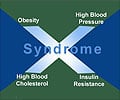
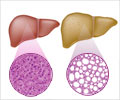
Metabolic syndrome is a group of risk factors that increase your chances of developing cardiovascular ailments and other health problems like diabetes, etc.
Metabolic syndrome is also referred to as metabolic syndrome X, insulin resistance syndrome, obesity syndrome, dysmetabolic syndrome, cardiometabolic syndrome, hypertriglyceridemic waist, Reaven’s syndrome, syndrome X and CHAOS (in Australia).
Metabolic Syndrome - Treatment
Alteration in lifestyle should be the first line of treatment for metabolic syndrome and this involves increase in physical activity with a restricted diet.
Alteration in lifestyle should be the first line of treatment for metabolic syndrome and this involves increase in physical activity with a restricted diet.
With rise in obesity across the world, metabolic syndrome is becoming a major health concern. It may soon supersede smoking as the principal risk factor for heart problems. A healthy lifestyle promises you safety against the development of metabolic syndrome.
Keeping in mind the increasing prevalence of metabolic syndrome, a study was conducted by Eliane Said Dutra and his colleagues and was published in the journal of Diabetology and Metabolic Syndrome, 2012.

A Healthy Lifestyle Reduces Metabolic Syndrome
Allowing people to adopt healthy lifestyle practices like a healthy diet rich in fiber and adequate physical activity may go a long way in reducing the incidence of metabolic syndrome.
Allowing people to adopt healthy lifestyle practices like a healthy diet rich in fiber and adequate physical activity may go a long way in reducing the incidence of metabolic syndrome.
The experts discovered that there was no gender difference in the prevalence of metabolic syndrome. In men, hypertension was the commonest predictor of metabolic syndrome while in women, it was abdominal obesity.
Advertisement
However no relationship existed between behavioral variables and the prevalence of metabolic syndrome.
Advertisement

Diabetes Risk Assessment Calculator
Almost one-third of the people are unaware of the risk factors of diabetes. Find out if you run the risk of diabetes by using Diabetes Risk Assessment calculator.
Almost one-third of the people are unaware of the risk factors of diabetes. Find out if you run the risk of diabetes by using Diabetes Risk Assessment calculator.
Reference:
Metabolic syndrome in central Brazil: prevalence and correlates in the adult population; Eliane Said Dutra et al; Diabetology and Metabolic Syndrome 2012
Source-Medindia