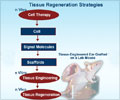
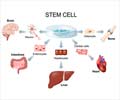
Mesenchymal stem cells (MSCs) are found in human adult tissues such as synovial tissues, bone marrow, and adipose tissues. They are derived from mesoderm and are differentiated into cartilage, bone, adipose tissues and muscles. Many scientists believe that adult stem cells are quite useful in transplanting into the damaged tissues.
Successful cartilage regeneration requires enhancement of chondrogenic potential, better handling operation and better MSCs adhesion efficacy. The application of aggregate mesenchymal stem cells (MSCs) obtained from synovium is a hopeful option for cartilage regeneration.Shiro Suzuki and colleagues investigated the usefulness and properties of aggregates of synovial mesenchymal stem cells as a potent source of cartilage regeneration.
For the purpose of study, hanging drop technique was used to aggregate both human and rabbit synovial mesenchymal stem cells.
Both in vitro and in vivo chondrogenic potential of synovial mesenchymal stem cells aggregates were evaluated.

Hope for Arthritis Treatment: Report
Hip replacements for some patients could be a thing of the past after surgeons pioneered a new stem cell procedure to tackle a bone disease that leads to arthritis.
Hip replacements for some patients could be a thing of the past after surgeons pioneered a new stem cell procedure to tackle a bone disease that leads to arthritis.
It was noticed that transplantation of mesenchymal stem cells aggregates at low density resulted in successful cartilage regeneration as compared to transplantation at high density because at high density loss of nutrient and cell death of mesenchymal stem cells occurred.
Advertisement
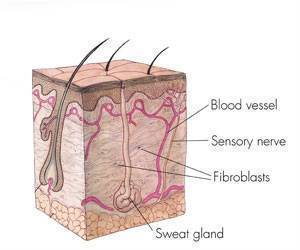
Cartilage From Skin Cell Transformation
In this paper, Noriyuki Tsumaki and his team at the Osaka University Graduate School of Medicine, used fibroblasts isolated from adult mouse skin, and expressed proteins used to induce
In this paper, Noriyuki Tsumaki and his team at the Osaka University Graduate School of Medicine, used fibroblasts isolated from adult mouse skin, and expressed proteins used to induce
Reference:
Advertisement
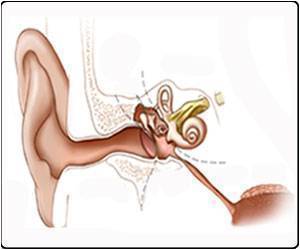
Stem Cells in the Ear Used to Grow Healthy Cartilage
For the first time a team of Japanese scientists has successfully grown chunks of cartilage from stem cells in the ear, which could replace the synthetic materials currently used in surgery.
For the first time a team of Japanese scientists has successfully grown chunks of cartilage from stem cells in the ear, which could replace the synthetic materials currently used in surgery.
Source-Medindia