Tests carried out during pregnancy do not correlate with the actual guidelines for these tests, according to a recent study.
Prenatal care or care during pregnancy is necessary to ensure a healthy mother and a healthy baby. The U.S. Preventive Services Task Force (USPSTF) has recommended that some tests should be included as a part of routine prenatal care. It has suggested recommendations for tests like urine culture, anemia screening, oral glucose tolerance test and urinalysis during pregnancy.
Screening for Diabetes - Test - Frequently Asked Questions
Diabetes screening is done using blood tests like fasting blood sugar and hemoglobin A1c levels. Diabetes affects 8.3% Americans and about 10% Indians.
Diabetes screening is done using blood tests like fasting blood sugar and hemoglobin A1c levels. Diabetes affects 8.3% Americans and about 10% Indians.
Anemia is detected through blood tests that measure hemoglobin levels and hematocrit. Anemia in pregnancy increases the risk for low birth weight, preterm delivery, and death of the baby during delivery. The guidelines also suggest doing this test during pregnancy.
Diabetes in pregnancy may lead to complications like big babies, low blood sugar in the baby post delivery, premature delivery, birth injury, intensive neonatal care admission, and jaundice in the newborn. It can also predispose the mother to preeclampsia. Diabetes in pregnancy is diagnosed using oral glucose tolerance test, though the evidence of any benefit for doing the test is considered insufficient by the USPSTF.

Pregnancy Diabetes Chart or Gestational Diabetes Mellitus Chart
Gestational diabetes is a condition affecting nearly 4% of pregnant women. The diagnosis of gestational diabetes is done with the help of a standardized ‘Oral Glucose Tolerance Test’.
Gestational diabetes is a condition affecting nearly 4% of pregnant women. The diagnosis of gestational diabetes is done with the help of a standardized ‘Oral Glucose Tolerance Test’.
A study was conducted to evaluate the use of these tests in pregnant women in the United States and whether they were as per the recommendations of the USPSTF. Data collected included race, age, region, payer type and pregnancy status in terms of being high or low risk.
Advertisement
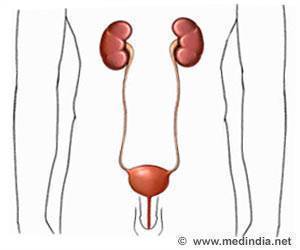
Urine Test to Diagnose Acute Kidney Failure
A simple urine test helps diagnose acute kidney failure (AKI), shows study published in the Journal of the American College of Cardiology.
A simple urine test helps diagnose acute kidney failure (AKI), shows study published in the Journal of the American College of Cardiology.
Advertisement
Screening for anemia was carried out at an average of 1.4 screenings per pregnancy between the years 2001 and 2003. The average reduced to 1.1 screenings per pregnancy between the years 2004 and 2006. Thus, anemia screening appears to be adequate as per the recommendations.
There was nearly 1 oral GTT per pregnancy conducted between 2003 and 2006, though the guidelines suggest there is insufficient evidence to suggest or disapprove the testing.
Urinalysis was done at an average of 5.6 per pregnancy between 2001 and 2003. Between 2004 and 2006, the average reduced to 4.3 per pregnancy. The number of urinalysis done was far more than recommended. However, the number has been declining over the last few years.
The study also found that women from minority communities like Hispanics and Blacks and women between the ages of 30 and 34 years are more often tested for urine cultures, anemia screenings, and oral glucose tolerance tests than white women and younger women.
Thus, what is followed in practice appears to be quite different from what is actually recommended. A better adherence to the recommended guidelines could go a long way in improving prenatal care.
Reference:
1. Screening Tests During Prenatal Care; Juned Siddique et al; Maternal and Child Health Journal 2012.
Source-Medindia