Failure is one factor that is not accepted by human nature openly. The urge to win and be satisfied has pushed some to seek help from modern science and find shortcuts to enhance performance and fulfill desires. The best example can be seen in the sports and athletics today. Most serious athletes will tell you the pressure and competitive drive to win can be fierce. More so in international games where athletes want to pursue the dream of winning a medal for their country in the prestigious games and athletic events and secure a spot in the professional team. This desire leads them to take help from modern medicine to artificially boost their stamina and enhance their performance. In an environment like this, sportspersons often take help from performance-enhancing drugs.
Taking drugs to enhance performance, doping comes with many risks. If you learn about the pros and cons about the performance-enhancing drugs like anabolic steroids, human growth hormone, Creatine and stimulants, you may decide that the risks aren’t worth the benefits at all.
Majority of athletes use the anabolic steroids to remain competitive and enhance their performance as the rewards on winning are so high.
The first sportsperson identified using drugs to enhance athletic performance was Thomas Hicks, the winner of the 1904 Olympics Marathon. After this victory, death of few athletes was seen due to overdose of steroids. Rumors about doping and death started hovering in the Olympics Games and other international sports and games.
The Olympic Committee decided to act against it and banned the use of drugs in the Olympic and Winter Games. But it wasn’t easy to detect the doped athletes in the games. This led to the formation of an independent organization called World Anti-Doping Agency (WADA) in 1999. WADA developed a list of drugs forbidden in the Olympics and other athletic events. They established labs to check and detect the presence of these drugs in the blood and urine of sportspersons.

The use of Drugs for reasons other than its prescribed recommendation, is known as Drug abuse or substance abuse. Drug abuse or substance abuse is initiated by various biological and social factors.
Since establishment of WADA, there have been many cases where the athletes were dismissed from the games and were banned for a few years from participating in any other games. But controversies about doping in athletics have not ended yet. According to statistics, doping in the Summer Olympics (0.49%) have nearly doubled the percentage of the Winter Olympics (0.28%). Weightlifting is the most doped sport in Olympics with up to 40 reported violations of the anti-doping rules.

Drug Abuse Screening Test (DAST) is a screening test to find out if you need professional help with ‘Drug Abuse’ problem. This is only an anonymous self test.
With London Olympics round the corner, WADA has taken steps to assure that there would be a clean and healthy competition this year. Sport officials and sports fans are also hoping new athletes will depend more on themselves and not be tempted to depend on drugs for their success in Olympics 2012.
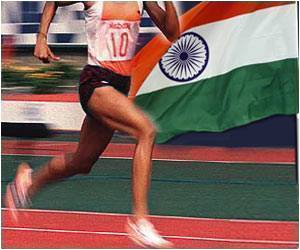
Indian athletes, Sini Jose, Mandeep Kaur, Tiana Mary Thomas, Priyanka Panwar and Ashwini Akkunji have failed the dope test. They have tested positive for banned substances, such as anabolic steroids.