Carbohydrate (CHO) foods taken prior to, and while exercising, enhance long-lasting (> 1 hour) performance by sustaining blood glucose levels. However, it is unclear which amount, type and form of CHO increases endurance.
The current study investigated the effects of a natural food product such as raisins in comparison with commercial sport chews. The CHO supplement effects, on the metabolism, gastrointestinal (GI) tolerance and endurance performance, were tested in 11 male runners.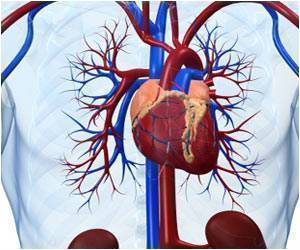
Overdoing Endurance Exercises Increases Risk of Myocardial Injury | Medindia:
A new study has revealed that excessive endurance exercises, such as running marathons or long distance bicycle races, could in fact be detrimental to heart health.
A new study has revealed that excessive endurance exercises, such as running marathons or long distance bicycle races, could in fact be detrimental to heart health.
Other parameters monitored every 20-min included oxygen consumption (VO2), heart rate (HR), respiratory exchange ratio (RER), blood lactic acid, serum free fatty acids (FFA), glycerol, insulin, plasma glucose, electrolytes, creatine kinase and GI indications.
The study results show no differences between the groups with regards to VO2, HR, electrolytes, lactic acid, glycerol and RPE. The mean plasma glucose and RER, during the 80min run, were considerably higher with chews as compared with water alone. However, serum FFA was higher with water only as opposed to raisins and chews. Serum insulin was highest in the chews group than in the raisins and water groups. Plasma creatine kinase, for the second half of the 80 min run, was highest with raisins. The TT was faster in both the carbohydrate groups, as compared with water alone, while GI trouble was mild for all treatments.

Athletes' Performance Improved By Protein-Rich Energy Drink | Medindia:
A combined survey to idetify which energy drink best helped cyclists recover after a strenuous ride, revealed that the protein-containing sports drink improves energy level.
A combined survey to idetify which energy drink best helped cyclists recover after a strenuous ride, revealed that the protein-containing sports drink improves energy level.
Reference: Natural versus Commercial Carbohydrate Supplementation and Endurance Running Performance; Brandon Too et al; BMC Journal of the International Society of Sports Nutrition 2012
Advertisement

Carbohydrates and Its Role in Obesity
Over 1 billion people world-wide are obese thus affecting their health due to their nutrition and lifestyle. 3.9% of India’s population is obese! Know more about obesity and its prevention.
Over 1 billion people world-wide are obese thus affecting their health due to their nutrition and lifestyle. 3.9% of India’s population is obese! Know more about obesity and its prevention.

Raisins Boost Athletic Performance
Raisins are best option for athletes when there is a need for instant energy to boost their performance. Raisins also help to prevent health disorders due to strenuous activities in long run.
Raisins are best option for athletes when there is a need for instant energy to boost their performance. Raisins also help to prevent health disorders due to strenuous activities in long run.