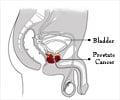
Surgical removal of the prostate is associated with a reduction in the rate of death from prostate cancer, according to a new study.
Prostate cancer is a cancer that develops in the prostate gland, commonly affecting males above the age of fifty years. The prostate is a small, walnut-sized structure. It forms part of the male reproductive system. There are four modalities of management of a cancer of the prostate: Watchful waiting, surgery, radiation therapy, and hormone therapy.
Prostate Cancer | Cancer of Prostate - Incidence, Prevention, Causes, Symptoms & Treatment
This cancer affects men over the age of 50 years and screening with rectal examination and PSA can help both in early detection and effective treatment
This cancer affects men over the age of 50 years and screening with rectal examination and PSA can help both in early detection and effective treatment
The benefit was obvious among men younger than 65 years of age. Whether the benefit extends to older men is still unclear. The benefit of radical prostatectomy continued to be seen beyond 9 years. In some men, the tumor grows further, thus developing ‘extracapsular tumor growth’. Such men were found to benefit from adjuvant, local or systemic treatment.
The current study that favors surgical resection of prostate is not conclusive though relevant. The observations are sharp, but further scrutiny is required.

Source-Medindia

Quiz on Prostate Cancer
Prostate cancer is fast gaining as a common cancer form among men; more threatening since its symptoms often go unnoticed until it’s too late. This quiz tests your knowledge on prostate cancer, its diagnosis and treatment options and is as mandatory for men as the screening tests mentioned here are!
Prostate cancer is fast gaining as a common cancer form among men; more threatening since its symptoms often go unnoticed until it’s too late. This quiz tests your knowledge on prostate cancer, its diagnosis and treatment options and is as mandatory for men as the screening tests mentioned here are!

Obese Men At Increased Risk of Prostate Cancer Progression
Men who are obese are at an increased risk of their prostate cancer worsening than slim men.
Men who are obese are at an increased risk of their prostate cancer worsening than slim men.


![Prostate Specific Antigen [PSA]](https://www.medindia.net/images/common/patientinfo/120_100/prostate-specific-antigen.jpg "Prostate Specific Antigen [PSA]")