"True enjoyment comes from activity of the mind and exercise of the body; the two are united." - Alexander Von Humboldt
Today, the strain of 'STRESS' spares no one. Competitive lifestyle makes most people deny its existence while only a few learn how to cope with it. Prolonged and unwarranted stress not only affects working and social life, but also more importantly the health of a person. The WHO defines health as – 'a state of complete physical, mental and social well-being and not merely the absence of disease or infirmity'. Stress leads to a poor state of mental and social well-being and is an important element that is apparently responsible for an estimated 75% of all illnesses.
Stress can be of different forms - emotional, physical or mental. Researchers have associated stress to have an adverse effect on the body’s immune system. Stress has been known to trigger a variety of illnesses such as constipation, headaches, frequent colds, skin diseases such as psoriasis, diabetes, heart disease and cancer. Some psychologists in India are of the opinion that about 70-90% of the patients seek primary health care for stress-related illnesses.
'Psychosomatic illnesses' are physical illnesses that are aggravated by psychological factors. It is more common than what is anticipated or realized. It is common knowledge that there is a direct correlation between the functions of our body and our mind. Psychological factors may cause a medical condition or may stop a medical treatment from being effective, thereby increasing the health risk of the individual. The pain or symptoms caused is real, although doctors may be unable to find any physical evidence to support it e.g., organic dysfunction.
Psychosomatic illnesses usually stem from a very negative belief that is deep rooted in an individual and from the emotional aura that is generated in response to this belief. Therefore to address these illnesses, it is imperative to tackle the underlying causes that are buried in the subconscious mind. When managed effectively the disease regresses and enters a quiescent period and the patient experiences immense relief.
Understanding the condition
The evolution of psychosomatic illnesses is considered a mystery. Psychosomatic illnesses can be triggered by social, genetic, hereditary or even environmental factors or a combination of it all. Some children learn to hide feelings or emotions from their family members and carry it to their adult life as well. Bereavement, change of place and stress from job or home are examples for triggers.
Advertisement
The autonomic nervous system supplies the endocrine glands that produce insulin, cortisone, insulin, adrenaline and thyroxin hormones. Since these glands are also controlled by the hypothalamus, emotional changes indirectly influence and affect the hormones.
Advertisement
Every physical ailment has a psychological element. In psychosomatic disorder, the psychological component becomes evidently prominent.
Symptoms and Signs
People with psychosomatic illness can have varied symptoms occurring in any part of the body. Some of these include -
• Itching of the scalp and face.
• Back Pain especially low back pain. Leg muscle weakness and numbness may also be present.
• Mouth Ulcers
• Dry Mouth
• Skin eruptions
• Gastrointestinal disorders such as belching, constipation, abdominal pain or nausea
• Chest pain
• Dizziness
• Palpitations
• Frequent urination
• Erectile dysfunction
Some of the signs that can help the physician decide on the diagnosis of Psychosomatic Disorder are listed below.
• These vague symptoms usually start before the age of 30.
• It affects more females than males.
• Patient has symptoms in relation to their reproductive system, like sexual indifference, irregular periods, pain during periods or sexual intercourse, and erectile dysfunction in men.
• They have at least one symptom suggesting a neurological problem like seizures, imbalance, paralysis, blindness, double vision, deafness or fainting.
• Patients usually are not faking these symptoms, unlike in factitious disorder.
• These symptoms are not produced intentionally.
• A physician’s investigation cannot point to a known medical condition.
Management
Stress related illnesses in the last couple of decades has become established and now recognized as a separate disorder in the field of medicine. Previously these less understood disorders were categorized as ‘functional disorders’. In 1967 Holmes-Rahe formed a Life Stress Inventory and in his inventory the top ten most stressful life events were included.
Top Ten Stressful Life Events
|
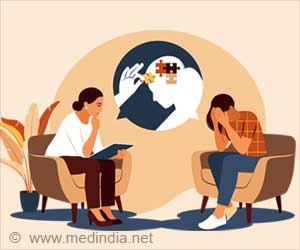
People with psychosomatic illness may deny their need for treatment or refuse changing their lifestyle. Psychotherapy is highly valuable for these patients. It allows them to talk about their feelings and emotions. This gives an insight of their illness and helps them give a positive direction to approach therapy.
Support from family members and friends, is crucial.
Various stressors in life compel the body and mind to be in a constant state of alarm. These increase the risk of acute and chronic psychosomatic illnesses. Relieving and treating the underling stress can help heal the physical illness.
Exercising continues to be the best way to relieve people of their stress. Yoga, meditation, breathing exercises and massages have been proven to alleviate stress.
Anti-anxiety and anti-depression medications can be used in conjunction with psychiatric therapy for physical ailment.
Let us believe in the old proverb 'Sound mind, Sound Body'.
'You never know with psychosomatic injuries you have to take your time with them.' Jim Palmer.
Source-Medindia
PADMA SUNDARESON/M