Studies indicate that there is an inverse relationship between the educational level of parents and the children’s body mass index (BMI).
Under the program called, “Gaining Health in Europe “that was launched by WHO in Europe, the first population based nutritional survey was done in Italy named “OKkio alla Salute.”.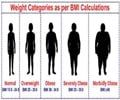
Body Mass Index (BMI)
Body mass index (BMI) is a simple tool that is generally used to estimate the total amount of body fat.
Body mass index (BMI) is a simple tool that is generally used to estimate the total amount of body fat.
The study was conducted through Local Health Units in Tuscany and involved children in the age-group of 8-9 years. Their height and weight were recorded by “ad hoc” personnel and BMI was calculated. Self –administered questionnaires were used to gather parents’ height, weight and educational level information.
The study highlighted that children’s obesity was directly related to parents’ educational level and inversely related to BMI.

Height and Weight for Children
The height and weight calculator is a useful tool to ascertain the ideal height and weight of the children according to age and gender.
The height and weight calculator is a useful tool to ascertain the ideal height and weight of the children according to age and gender.
The final conclusions drawn from the study was that among parents, mainly father’s obesity and cultural influences affect the incidences of obesity in children of Tuscany. The transmission of genetic dispositions from parents to children is widely known, but educational and economic status also have implications on the children health status (particularly obesity), as has been brought to light by this study.
Advertisement

Nutritional Assessment
Nutritional Assessment Calculator helps to find out if you child is undernourished or malnourished.
Nutritional Assessment Calculator helps to find out if you child is undernourished or malnourished.
Relationship between 8/9-yr-old school children BMI, parents' BMI and educational level: a cross sectional survey; Giacomo et al; Nutrition Journal 2011.
Advertisement

Childhood Obesity - Criteria - Causes - Complications, Treatment
Childhood obesity is one of the most serious health challenges in the developing countries and needs to be understood and tackled effectively.
Childhood obesity is one of the most serious health challenges in the developing countries and needs to be understood and tackled effectively.