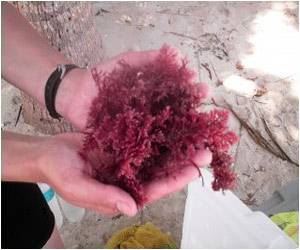
Seaweeds are a part of traditional Japanese food. Animal studies have found that intake of seaweeds or an extract of seaweeds lowers blood pressure. Its relevance in adults has however not been established due to inconsistent results from various conducted studies.
Researchers in Japan conducted a study to assess the benefits of a diet of seaweeds on blood pressure in children between the ages of 3 and 6 years. This age group was selected keeping in mind that early control of blood pressure through diet could reduce the incidence of hypertension in adulthood.
High Blood Pressure | Hypertension - Causes, Symptoms, Diagnosis & Treatment
High blood pressure or hypertension is a chronic condition, which usually lasts a lifetime once it is developed.
High blood pressure or hypertension is a chronic condition, which usually lasts a lifetime once it is developed.
Food intake of the children was recorded by the parents for 3 days covering 2 consecutive weekdays and 1 weekend day.
Blood pressure was measured once in the midmorning.
Try the 'Seaweed Shake' for Effective Weight Loss
Finding a healthy way to lose weight? Try a seaweed shake.
Finding a healthy way to lose weight? Try a seaweed shake.
The study, which was completed in 417 children, found that boys with middle and high intake of seaweed had lower diastolic blood pressures as compared to those with low seaweed intake. Systolic blood pressure and pulse was not associated with seaweed intake in boys.
Advertisement

Adding Seaweed Extract to Fast Foods Can Make Them Healthier
Experts have suggested that adding seaweed extracts to high-fat, high-calorie fast foods can make them healthier and help people lose weight.
Experts have suggested that adding seaweed extracts to high-fat, high-calorie fast foods can make them healthier and help people lose weight.
Intake of salt, other diet or lifestyle factors like sleep and physical activity, did not affect the apparent effect of seaweed on blood pressure.
Advertisement
Seaweed With Antimalarial Properties
Chemical compounds in tropical seaweed are shown to have promising antimalarial properties.
Chemical compounds in tropical seaweed are shown to have promising antimalarial properties.
It appears to be very early to decide, based on this study alone, whether seaweed intake in children could affect blood pressure in later adulthood. Further studies are required to establish this beneficial effect of seaweeds.
Reference:
1. Wada K, Nakamura K, Tamai Y, Tsuji M, Sahashi Y, Watanabe K, Ohtsuchi S, Yamamoto K, Ando K, Nagata C. Seaweed intake and blood pressure levels in healthy pre-school Japanese children. Nutr J. 2011 Aug 10;10:83.
Source-Medindia