Hot flushes (also called as hot flashes) are caused due to hormonal changes during menopause. It is characterized by spreading of intense heat in the upper body with profuse sweating and rapid heart beat. This can be accompanied by feelings of nausea, dizziness, headache, anxiety, depression, and feeling of suffocation or weakness. Hot flushes are very common in menopausal women.
Chinese medicine is known to have a long tradition of treating hot flushes quite effectively. Acupuncture is a form of alternative medicine, which aims at treating or healing the sufferings of the patient by insertion of needles at specific points. This therapy treats pain, prevents diseases and promotes health and well-being.
What is Menopause?
Menopause is defined as the state of permanent cessation of menstrual cycles (periods) for 12-months.
Menopause is defined as the state of permanent cessation of menstrual cycles (periods) for 12-months.
A multicentre, pragmatic, randomized controlled Acuflash study was conducted in Norway during 2006-07. The study aimed at evaluating the efficacy of Traditional Chinese Medicine (TCM) on postmenopausal symptoms. The participants were given a questionnaire comprising of questions regarding depressed mood, somatic symptoms, anxiety/fears, vasomotor symptoms, sleep problems, sexual behavior, menstrual symptoms, memory/concentration, and attractiveness.
The objective of the study was to compare the efficacy of acupuncture along with self-care against self-care alone in treating hot flushes and postmenopausal symptoms.

Quiz on Menopause
Menopause is inevitable in a woman’s life and it would be apt to be well prepared for it. Learn more about menopause and the best ways of managing it by going through this quiz.
Menopause is inevitable in a woman’s life and it would be apt to be well prepared for it. Learn more about menopause and the best ways of managing it by going through this quiz.
During the treatment session, no complications like fainting or bleeding were reported. However one skin reaction, one unacceptable bruising and five cases of unacceptable pain were noted. In comparison to conventional medications, acupuncture produced no harmful side-effects.
Advertisement

Dealing with Menopause
Menopause is an importantant stage in woman's life.Know more about it's physiology,signs,symptoms,causes and management of menopause.
Menopause is an importantant stage in woman's life.Know more about it's physiology,signs,symptoms,causes and management of menopause.
With no serious adverse events, acupuncture proves to be a promising alternative therapy for treating hot flushes.
Advertisement
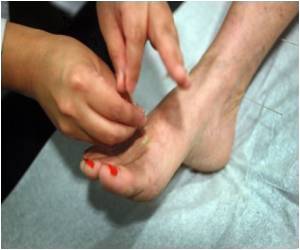
Acupuncture Therapy Helps Reduce Hot Flashes and Mood Swings in Menopausal Women
The severity of hot flushes and mood swings can be relieved with regular use of this ancient Chinese needle therapy.
The severity of hot flushes and mood swings can be relieved with regular use of this ancient Chinese needle therapy.
The acupuncture treatment for postmenopausal hot flushes (Acuflash) study: traditional Chinese medicine diagnoses and acupuncture points used, and their relation to the treatment response; Einar Kristian et al; Acupuncture in Medicine; 27:101-108
Source-Medindia