Snacking has always been linked to expanding waistlines, but now it is associated with something far more lethal –Cancer!!
Cakes, scones and biscuits have always tickled //our taste buds and have got us to crave for more, but a recent study has given women with asweet tooth plenty of reasons to worry.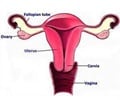
Endometrial Cancer
Cancer of the Endometrium, or the inner lining of the uterus (womb) is called endometrial cancer.
Cancer of the Endometrium, or the inner lining of the uterus (womb) is called endometrial cancer.
Endometrial cancer is cancer that affects the endometrium i.e. the inner lining of the uterus. It is a common gynecologic cancer and is often diagnosed in women over the age of 55. Risk factors include old age, obesity, multiple sex factors, estrogen treatment and late menopause.
Study

Uterine Cancer / Endometrial Cancer - Symptoms - Risk Factors – Prognosis - Treatment
Uterine Cancer or Cancer of the Uterus (or Endometrial Cancer) refer to cancers affecting the uterus or the womb in women. Learn about the different types of uterine cancer, symptoms, staging, diagnosis, prognosis, treatment, survival rates and news on uterine cancer.
Uterine Cancer or Cancer of the Uterus (or Endometrial Cancer) refer to cancers affecting the uterus or the womb in women. Learn about the different types of uterine cancer, symptoms, staging, diagnosis, prognosis, treatment, survival rates and news on uterine cancer.
In the year 1987, the female subjects filled -in questionnaires on their lifestyle, diet, weight and general health. Ten years later, those women who were still alive were given the same questionnaire. Basically they were quizzed about their diet- the quantity of sugar they consumed and about the different types of sugary food items that they ate.
Advertisement
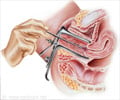
Endometrial cancer Detection
Encyclopedia section of medindia explains in brief about Endometrial Cancer Detection
Encyclopedia section of medindia explains in brief about Endometrial Cancer Detection
There are explanations! Sugary overload through a sugary diet makes the body release more insulin which stimulates excessive growth of cells lining the uterus. It also boosts estrogen levels which triggers uncontrolled growth of cells.
Advertisement

Vitamin D Reduces Endometrial Cancer Risk in Obese Women
Obese women can reduce their increased risk of endometrial disease if they take vitamin D supplements, a new animal study has revealed.
Obese women can reduce their increased risk of endometrial disease if they take vitamin D supplements, a new animal study has revealed.
Obesity was always associated with cancer. The study placed special emphasis on the frequency of eating such food as opposed to the amount consumed. This study perhaps gives us a better insight into what we already know though some scientists still feel the need for larger studies before we can draw any firm conclusion.
Source-Medindia