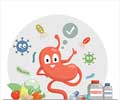
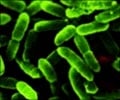
Probiotics are beneficial microorganisms that not only help in the proper functioning of digestive tract but also reduce the presence of harmful microbes in the intestinal tract.
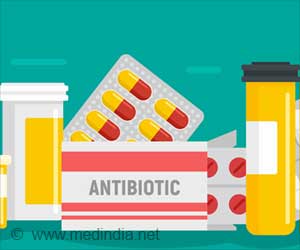
Recurrent diarrhea occurs following treatment with broad-spectrum of antibiotics such as metronidazole, vancomycin and nitazoxanide. They destroy the naturally occurring good bacteria in the intestine.
Management of diarrhea
Management of acute diarrhea is directed at preventing or treating dehydration that so often accompanies the disease. Treatment of a child with diarrhea is based on presence or absence of dehydration.
Management of acute diarrhea is directed at preventing or treating dehydration that so often accompanies the disease. Treatment of a child with diarrhea is based on presence or absence of dehydration.
Elizabeth Videlock et al conducted a meta-analysis of randomized, double-blinded, placebo-controlled trials for understanding the association of probiotics in antibiotic-associated diarrhea.
Earlier studies have revealed the importance of probiotics in reducing the occurrence of antibiotic-associated diarrhea (AAD).

Probiotics - a probable treatment for Autism
According to a study, there is a connection between certain bacteria in the gut and autism. So, there is a possibility of using probiotics to treat autism
According to a study, there is a connection between certain bacteria in the gut and autism. So, there is a possibility of using probiotics to treat autism
During the trial, the patients were administered probiotics for the entire duration of antibiotic treatment. Around 43 studies were carried out involving 4138 patients.
Advertisement
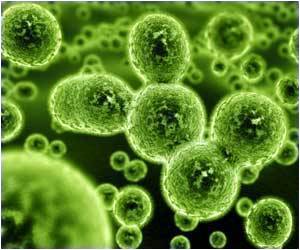
Probiotics Help Treat Antibiotic-associated Diarrhea
The risk of developing diarrhea can be reduced by taking probiotics, shows study.
The risk of developing diarrhea can be reduced by taking probiotics, shows study.
Probiotics should not be purported to yield beneficial effects only, they are often associated with some harmful effects in immune-compromised patients.
Advertisement
Reference:
Meta-analysis: Probiotics in Antibiotic-Associated Diarrhoea; Videlock et al; Alimentary Pharmacology and Therapeutics 2012
Source-Medindia