A systematic review evaluated the effects of addition of prebiotics and postbiotics to infant formula on growth and other clinical outcomes in preterm and low birth weight infants. The results of the study were published in the Nutrition Journal.
Probiotics are good bacteria that confer health benefits in the recipients. Prebiotics on the other hand, are non-digestible food ingredients found in fruit and vegetables like inulin, fructo-oligosaccharide (FOS) and galacto-oligosaccharide that stimuate the growth and/or activity of certain bacteria in the colon and improve the host’s health. Probiotics and prebiotics are added to preterm infant formula is to improve growth and development, and decrease infections, thereby resulting in an intestinal microbiota resembling that of breastfed infants.
The researchers did not find any significant improvement in weight gain following addition of probiotics to infant formula in preterm infants. It also did not show any significant reduction in complications like necrotizing enterocolitis, sepsis and death as compared to infants who did not receive probiotics.
The addition of prebiotics also did not result in weight gain or head growth. However, the addition of fructo-oligosaccharide was associated with an increase in linear growth of the infants. Some short term benefits were observed with prebiotic use like increased bifidobacteria counts and the presence of fewer disease-causing bacteria in the prebiotic group compared to control group.

Nutritional Assessment
Nutritional Assessment Calculator helps to find out if you child is undernourished or malnourished.
Nutritional Assessment Calculator helps to find out if you child is undernourished or malnourished.
Source-Medindia
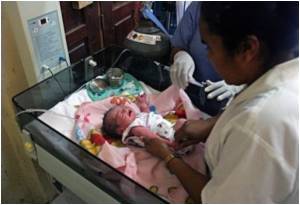
Probiotic Supplementation Can Help Preemies Gain Weight
Probiotics can help extremely low birthweight infants (ELBW) gain weight, a new study has found.
Probiotics can help extremely low birthweight infants (ELBW) gain weight, a new study has found.
High Energy and Protein Intake Improves Growth in Very Low Birth Weight Babies
A recent study indicates that a high protein and energy diet improves growth in very low birth weight babies.
A recent study indicates that a high protein and energy diet improves growth in very low birth weight babies.