Can meat in diet increase the chances of suffering from allergies like rhinoconjunctivitis in pregnant women? A study from Japan suggests that the answer is probably 'yes'.
Rhinoconjunctivitis is an allergic reaction which is characterized by the presence of 'rhinitis' and 'conjunctivitis'. Allergic rhinitis or inflammation of the mucus membrane of the nose results in symptoms of stuffy and runny nose. Allergic conjunctivitis, or inflammation of the membrane lining the eye, results in itching and watering of the eyes.
Allergic Rhinitis - Symptoms - Diagnosis - Treatment - Prevention - Videos
Allergic rhinitis (AR) causes a collection of symptoms, mostly in the nose and eyes and occurs when one breathes in allergens that leads to its inflammation.
Allergic rhinitis (AR) causes a collection of symptoms, mostly in the nose and eyes and occurs when one breathes in allergens that leads to its inflammation.
A recently published study examined if the type of food eaten is associated with rhinoconjunctivitis in Japanese pregnant women. The study was conducted on 1745 pregnant women between the fifth and thirty-ninth week of pregnancy.
Each participant had to fill in a questionnaire regarding their diet intake over the previous month. They also had to report their body weight and height for the calculation of body mass index.
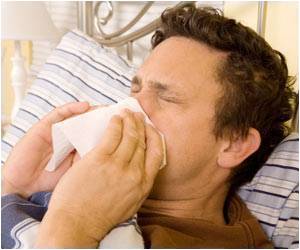
Allergic Rhinitis During Spring
Allergic rhinitis, characterized by coughing, sneezing , watery eyes and even breathing difficulties , is quite common during this season.
Allergic rhinitis, characterized by coughing, sneezing , watery eyes and even breathing difficulties , is quite common during this season.
Rhinoconjunctivitis was as common as nearly 26% in the study population. It was more common in women who had a high intake of meat. However, the researchers were unable to demonstrate any association with fat intake. This is in contrast to some of the previously published studies.
Advertisement

About Conjunctivitis | Pink Eye
Conjunctivitis or Pink Eye causes redness and soreness of the conjunctiva and is responsible for 1% of all emergency visits to a hospital.
Conjunctivitis or Pink Eye causes redness and soreness of the conjunctiva and is responsible for 1% of all emergency visits to a hospital.
This Japanese study indicates that meat intake in pregnant women could be associated with rhinoconjunctivitis. Further studies are necessary to check if these results could be applied to the general population.
Advertisement
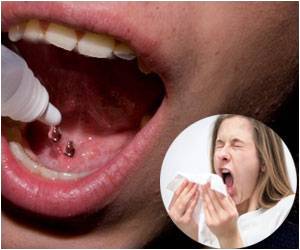
Allergic Rhinitis- Sublingual Immunotherapy Offers Efficient and Low Risk Treatment
Sublingually administered allergen immunotherapy (SLIT) brings about a significant reduction in symptom and medication scores in patients with allergic rhinitis.
Sublingually administered allergen immunotherapy (SLIT) brings about a significant reduction in symptom and medication scores in patients with allergic rhinitis.
1. Yoshihiro Miyake et al. Dietary meat and fat intake and prevalence of rhinoconjunctivitis in pregnant Japanese women: baseline data from the Kyushu Okinawa Maternal and Child Health Study. Nutrition Journal 2012, 11:19 doi:10.1186/1475-2891-11-19
Source-Medindia