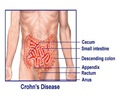
In a Spanish study it was found that regular consumption of dietary fiber-rich soluble cocoa products improves bowel habits.
Dietary fiber (DF) has always been promoted for its health benefits. Its therapeutic and preventive effect on a range of bowel and colon diseases, including colon cancer has long been established.
Irritable Bowel Syndrome – Causes, Diagnosis, Treatment
Irritable bowel syndrome (IBS) causes recurrent abdominal pain or discomfort and a fluctuating disturbance in defecation. IBS is not life threatening.
Irritable bowel syndrome (IBS) causes recurrent abdominal pain or discomfort and a fluctuating disturbance in defecation. IBS is not life threatening.
Few evidence supports the role of synthetic fibers, in lowering cardiovascular risks, maintaining glycemic levels and in improving gastrointestinal function. However, DF is also known to have some undesirable side effects such as bloating, diarrhea and flatulence.
The cocoa bean has an outer coat (bran) that contains high levels of soluble DF. During chocolate production the outer coat is removed, while in the case of other cocoa products the bran of the cocoa seeds is mixed in the product. Besides, additional fiber could be added to this supplement without bringing about changes in the organic nature of the product.

Show and Tell: Compounds in Cocoa, Grapes and Apples May Aid Human Health
Fresh study offers new insights on how flavanols and procyanidins, natural compounds found in foods, such as cocoa, grapes, and apples ,may work in the body to wield cardiovascular benefits.
Fresh study offers new insights on how flavanols and procyanidins, natural compounds found in foods, such as cocoa, grapes, and apples ,may work in the body to wield cardiovascular benefits.
Healthy men and women between the ages of 18 and 55, who were non-vegetarians, non-smokers, non-pregnant women were included in the study. Care was also taken to see that the subjects did not take any medications or supplements that affected gut motility, six months prior to the study.
Advertisement

Cocoa Improves Muscle Function in Diabetes, Heart Patients
A small clinical trial led by researchers at UC San Diego School of Medicine and VA San Diego Healthcare System (VASDHS) found that patients with advanced heart failure and type 2
A small clinical trial led by researchers at UC San Diego School of Medicine and VA San Diego Healthcare System (VASDHS) found that patients with advanced heart failure and type 2
In order to reduce inter-individual differences certain fruits and vegetables were also restricted in the diet of the subjects during the study period. Subjects were asked to maintain the same food habits and same physical activity throughout the study period.
Advertisement
New Technique Boosts Cocoa Flavanol Absorption
Novel analytical technique developed by researchers increases the absorption of cocoa flavanols and provides basis for in vitro studies to measure the working of these compounds in the body.
Novel analytical technique developed by researchers increases the absorption of cocoa flavanols and provides basis for in vitro studies to measure the working of these compounds in the body.
The study concluded that including cocoa products in daily diet increased the intake of dietary fibers to the required levels and also promoted healthier bowel habits. The subjective questionnaire revealed that the cocoa products were well tolerated by the subjects and did not cause adverse GI symptoms. Continuous intake of DF helps an equilibrium to be reached between the gas-producing and the gas-utilizing bacteria, and this helps to ease out the adverse bowel symptoms.
The study concludes that two servings of cocoa product increases dietary fiber intake, without causing weight gain, and promotes healthier bowel movements.
Reference – Effects of regularly consuming dietary fibre rich soluble cocoa products on bowel habits in healthy subjects: a free-living, two-stage, randomized, crossover, single-blind intervention; Beatriz et al; Nutrition and Metabolism 2012
Source-Medindia