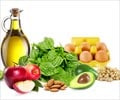
The present diet part involves questions on intake of food groups such as milk and dairy products, bread, meat, fish, fruits and vegetables. It also involves questions on selective food intake such as oat meal porridge, blood/liver sausage, rye bread and cod liver oil. There are also specific questions such as those asked to assess the type of dairy products used and also the degree of saltiness preferred.
Food Frequency Questionnaires (FFQs) are significant tools used in nutritional epidemiological studies but, most of the FFQs used on the elderly are actually those designed for younger subjects.
Metabolic Syndrome Ups Kidney Disease Risk in Elderly
Elderly people with metabolic syndrome are at an increased chronic kidney disease risk, reveals study.
Elderly people with metabolic syndrome are at an increased chronic kidney disease risk, reveals study.
Assessing the dietary intake of older individuals has always remained a challenge. This may be due to their fading memory, visual and auditory impairment or impaired cognitive function.
Although short questionnaires are not as informative as long ones they are adequate enough to assess the intake of specific foods and categorize individuals according to selective nutrients.
Body Protein To Stimulate Bone Formation In Elderly
Interferon gamma, a naturally occurring protein, could be used in the treatment of osteoporosis. The protein is produced by the body's immune system and stem cells.
Interferon gamma, a naturally occurring protein, could be used in the treatment of osteoporosis. The protein is produced by the body's immune system and stem cells.
The aim of the present study is to assess the validity and ability of the AGES-FFQ to categorize individuals according to their intake of selective foods and food groups.
Advertisement

Increasing Risk of Stroke, Alzheimer's Disease Among Elderly
In Canada, people aged 65 and above are entering a stage of life that has increasing risk of stroke and Alzheimer's disease, reveals study.
In Canada, people aged 65 and above are entering a stage of life that has increasing risk of stroke and Alzheimer's disease, reveals study.
The participants were required to answer the AGES-FFQ and then fill out a 3-day weighed food form within two weeks time. They also answered questions regarding their exercise regime, quality of life with special emphasis on health and also regarding their supplement intake such as vitamins, herbal medicine or other drugs.
Advertisement

Dieting May Cut Gum Disease Risk In Elderly Men
For older men, dieting may help cut gum disease risk more than for women, according to a new study.In the study involving 81 rhesus monkeys, dieting helped reduce
For older men, dieting may help cut gum disease risk more than for women, according to a new study.In the study involving 81 rhesus monkeys, dieting helped reduce
In the case of mena correlation [greater than or equal to] 0.4 was found for potatoes, oatmeal/muesli, fresh fruits, cakes/cookies, dairy products, milk, candies, pure fruit juice, coffee, tea, cod liver oil and sugar in coffee/tea (r = 0.40-0.71). A lower, but acceptable, correlation was discovered in the case of raw vegetables (r = 0.33).
In the case of women, the highest correlation was found for the intake of rye bread, oatmeal/muesli, candy, raw vegetables, dairy products, milk, cod liver oil, pure fruit juice, coffee and tea (r = 0.40-0.61) while an acceptable correlation was found for fish topping/salad, blood/liver sausage, fresh fruits, whole-wheat bread, and sugar in coffee/tea (r = 0.28-0.37).
The questions regarding meat/fish meals, cooked vegetables and soft drinks did not show a significant correlation to the reference method. However these questions must not be discarded as irrelevant and must be further probed.
Most of the questions that feature in the AGES-FFQ had an acceptable correlation and may be employed to rank elderly individuals in accordance to their intake of significant foods/food groups and their impact on health. However, it is not useful in assessing total food intake, nutrients or energy.
Reference:
1. Assessing validity of a short food frequency questionnaire on present dietary intake of elderly Icelanders; Tinna Eysteindottir et al;BMC Nutrition Journal 2012.
Source-Medindia