In a world where nearly 70,000 children are diagnosed with Type 1 Diabetes each year, making it one of the most chronic diseases during childhood, World Diabetes Day celebrated on November 14th 2008 by the International Diabetes Federation and the WHO, rightly focuses on ‘Caring for children and adolescents with diabetes’ as the central theme of initiatives this year.
Despite the ‘tall’ statistics of children and adolescents falling prey to the condition, Child diabetes, also called as Juvenile diabetes is either diagnosed late, diagnosed wrong or completely escapes diagnosis. Understandably, almost 50% of diabetics are unaware of their condition.Juvenile Diabetes – Understanding the Condition
Juvenile Diabetes or Type 1 Diabetes is an autoimmune disease that affects the functioning of beta cells. When this occurs, the pancreas fails to produce adequate insulin demanded by the body. A shortage of insulin leads to inadequate breakdown of sugars. This, in turn results in an accumulation of sugar in the blood stream leading to diabetes.
Improper diet, inadequate exercise, genetic factors and environment play a significant role in triggering the condition. The symptoms appear without an announcement and can often go unnoticed.
Type 2 Diabetes, a disease mostly affecting adults above 45 years, currently accounts for up to 50% of all new cases of diabetes in children. This is attributed to improper diet, and lack of exercise in present day kids causing them to be overweight or obese and increasing their risk of lifestyle diseases. In Type 2 Diabetes, the body is either unable to generate adequate insulin or is not equipped to use the insulin effectively.
Watch out for the following symptoms:-
• Increased urination
• Increased thirst
• Increased hunger
• Fever or other minor infections
• Bedwetting
• Weight loss
• Fatigue
There are a number of tests which will be advised by the medical specialist to assist in the diagnosis.
1. Urine test to detect glucose
2. Blood test to ascertain the amount of glucose present in the blood
3. Glucose-tolerance test
4. Fasting blood sugar
Understand the Challenges Ahead
For parents whose child is diagnosed with Type 1 or Type 2 Diabetes, the world may come crumbing down. Yet, it does not mean the end of the world. As parents, you can make all the difference in helping your child cope, fight and survive the disease.
Generally, the diabetes healthcare team for children and adolescents comprising diabetologists, nutritionists and activity specialists are equipped to assist patients and families make required changes to help cope with the condition.
The broader goals for parents of children and adolescents in managing their child’s condition hover around:
• Maintaining blood sugar level to normal
• Enhance body’s sensitivity to insulin
• Protect against diabetes related complications
Caring for the Type 1 Diabetes Child
• Parents of children with Type 1 Diabetes must comprehend insulin dosing. As the child’s body cannot produce insulin, it must be provided to the body throughout the day. This is possible through insulin injections or also by using insulin pumps. Diabetologists may prescribe doses of rapid acting insulin and long acting insulin. The doses of insulin need to be administered at regular times on a daily basis.
• Parents need to ensure that children consume a proper diet as recommended by the healthcare provider. The stipulated amount of carbohydrates, fats and proteins as recommended by the diabetologist and nutritionist must be adhered to in order to take care of the child’s growing needs and minimize the fluctuation of blood glucose levels. Timing of meals is crucial and needs to be maintained everyday with no variation to avoid incidence of low blood sugar.
• It is imperative to test blood glucose levels of the child just before meals and bedtime.
• Parents would do good to maintain a journal of blood glucose readings, meal times and nature of physical activities to understand the best way to manage their child’s condition.
• Low blood sugar, medically termed as hypoglycemia commonly occurs in children with Type 1 Diabetes. Young children cannot even warn their parents if they are getting hypoglycemic, so it is important for parents to watch out for symptoms of hypoglycemia. Fluctuating blood sugar levels, especially low blood sugar can even become a medical emergency. It is crucial to always get the child to carry glucose, sugar or some biscuits to tide over hypoglycemia.
• The school should be aware of the child’s condition. Teachers should be educated about the steps to take if the child becomes hypoglycemic and suddenly feels giddy.
• Parents must also know that as much as physical activity is important for the diabetic child to improve insulin sensitivity, exercise can also lower blood glucose levels. Hypoglycemia can set in even during exercise, so kids need to test their blood glucose levels before they begin exercise.
Caring for the Type 2 Diabetes Child
Children and adolescents who are diagnosed with Type 2 Diabetes might be advised oral medications and changes in lifestyle and diet, which is sacrosanct to diabetes management.
Apart from ensuring children take their medication, parents must ensure that children undertake at least 60 minutes of physical activity on a daily basis. Exercise is best to lower insulin resistance in children. Further, children with Type 2 diabetes must include more of fresh fruits and vegetables in their diet while also reducing the consumption of fat and processed foods. It would be an absolute blessing if parents can help do away with sweetened beverages from their diet.
Words of encouragement , hope and promise are as important as medication and lifestyle changes.
Finally, what can parents do to buck the trend of more children becoming diabetics?
Just follow the advice of The National Institutes of Health-
• Say ‘No’ to junk and fatty food
• Include more of fresh fruits and vegetables
• Cut down television, computer, and video games. Get children to play, dance or take up organized sports
Help children enjoy their ‘sweet’ childhood sans diabetes!

Diabetes Essentials: Types, Complications, Management & Treatment
Diabetes is a metabolic disease caused by insulin deficiency that leads to high blood sugar levels and several associated complications if left untreated.
Diabetes is a metabolic disease caused by insulin deficiency that leads to high blood sugar levels and several associated complications if left untreated.
SAVITHA/L

Top Ten Facts About Diabetes
Diabetes or diabetes mellitus, is an endocrine and metabolic disorder characterized by high blood sugar levels (hyperglycemia) over a prolonged period of time.
Diabetes or diabetes mellitus, is an endocrine and metabolic disorder characterized by high blood sugar levels (hyperglycemia) over a prolonged period of time.

What is diabetes?
The condition of excess glucose level in bloodstream can be regulated by a regular practice of yoga. Yoga helps to control blood sugar levels and promotes health in a person
The condition of excess glucose level in bloodstream can be regulated by a regular practice of yoga. Yoga helps to control blood sugar levels and promotes health in a person
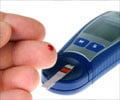
Blood Sugar Chart
The blood sugar chart gives you the fasting glucose values and glucose tolerance test values for normal people and people with early diabetes and established diabetes. Also use the calculator to find out if you have diabetes.
The blood sugar chart gives you the fasting glucose values and glucose tolerance test values for normal people and people with early diabetes and established diabetes. Also use the calculator to find out if you have diabetes.