Back pain is a common symptom for which patients consult their primary care physician. Better treatment options of back pain at the primary health care level is likely to have long term benefits in reducing disability and improving work capacity.
The use of a stratified approach in the treatment of back pain has been suggested. Using this approach, patients are treated according to the likely outcome or prognosis of the condition. In this system of treatment, patients are categorized into low, medium and high risk groups depending on the likely prognosis, and are treated according to different modalities or pathways.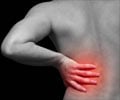
Back Pain – Symptoms, Causes, Diagnosis, Treatment & Prevention
Back pain or Backache is common due to poor posture, postural deformities and life style. Back pain can be classified anatomically as upper, lower and middle back pain.
Back pain or Backache is common due to poor posture, postural deformities and life style. Back pain can be classified anatomically as upper, lower and middle back pain.
In a recently published study, researchers compared two approaches to treatment of patients with back pain. The patients were divided into two groups – one in which a stratified approach to treatment was being followed, and the second, which was being treated by the non-stratified approach that is usually followed in clinical practice. The cost effectiveness of the two approaches was also studied.
A total of 851 patients with back pain were included in the study. Their mean age was 50 years and they did not suffer from any serious ailments.
Back Pain - First Aid and Emergency Treatment Guide
A quick and simple First Aid guide on how to administer treatment for Back pain
A quick and simple First Aid guide on how to administer treatment for Back pain
The patients in the intervention group were divided according to the likely outcome for their condition. Accordingly, 221 patients were classified as low risk, 394 as medium risk and 236 as high risk. A baseline assessment was made at the first visit. The patients were treated according to treatments specially designed for the particular group. The control group was treated according to the best practices usually followed at the clinic. The effect of treatment was recorded using a questionnaire at the end of 4 and 12 months. The economic evaluation related to treatment was also carried out.
Advertisement

Yoga For Back Pain
Yoga is an effective method to get rid of back pain, and practicing yoga is good for health. Yoga reduces stress, helps to keep the body relaxed and heals lower back pain.
Yoga is an effective method to get rid of back pain, and practicing yoga is good for health. Yoga reduces stress, helps to keep the body relaxed and heals lower back pain.
The stratified approach also appeared to be more cost-effective as compared to the non-stratified approach.
Advertisement

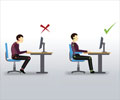
Back Pain at Workplace: Prevention and Exercises
Understanding the basics about our back and our posture is very important in preventing back pain and improving workplace productivity.
Understanding the basics about our back and our posture is very important in preventing back pain and improving workplace productivity.
Source-Medindia