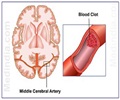
Simple measures to control fever, elevated blood sugar and swallowing dysfunction improve recovery of stroke patients, reports The Lancet. Stroke is a leading cause of death and disability worldwide; lion’s share of the focus continues to be on the acute management of the condition, revascularization interventions etc. We often overlook another equally important aspect - follow up care.
Stroke after care, which includes simple protocols to prevent fever, hyperglycemia, and aspiration pneumonia, can lead to profound differences in patients who survive stroke. Patients who receive after care are less likely to die or be dependent and have improved physical function at 90 days compared to patients given standard care. The study making these conclusions was published Online First by The Lancet, and was carried out by Professor Sandy Middleton, and his team.
Stroke - First Aid and Emergency Treatment Guide
A quick and simple First Aid guide on how to administer treatment for Stroke.
A quick and simple First Aid guide on how to administer treatment for Stroke.
The recent study was performed at 19 acute stroke units (ASUs) in New South Wales, Australia. The fever, hyperglycaemia, and swallowing nursing care protocol was weighed against the current stroke management guidelines. Fever was managed by monitoring the patients' temperature every 4 hours and where required, paracetamol was used to lower temperature. Blood sugar shoot-ups (termed hyperglycemia) were kept in check by frequent blood glucose monitoring and timely infusions of insulin or saline depending on blood sugar levels and whether diabetes was present or absent. Swallowing difficulties were also taken care of so as to prevent a condition called aspiration pneumonia (a major cause of death in stroke patients). Aspiration pneumonia is a fatal inflammation of the lungs and airways following inhalation of foreign material.
Patients who received the fever, hyperglycaemia, and swallowing nursing care protocol were found to be 16 per cent more likely to be alive and independent after three months compared to those who received the ‘standard care’. It is thus clear that nursing care makes a significant difference for stroke patients after discharge.
Top 10 Facts on Stroke
Strokes occur when the blood flow to an area of the brain is cut off. It is imperative to detect the signs of a stroke and rush the patient to the hospital at once. Here are some interesting facts on stroke.
Strokes occur when the blood flow to an area of the brain is cut off. It is imperative to detect the signs of a stroke and rush the patient to the hospital at once. Here are some interesting facts on stroke.
Source-Medindia
How to Deal with a Stroke - Signs - Symptoms - Risk Factors - Prevention
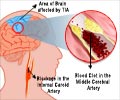
Stroke is a brain attack, which occurs when the blood supply to the brain is interrupted. It affects all age groups; according to the WHO, 15 million people are affected by stroke annually.
Stroke is a brain attack, which occurs when the blood supply to the brain is interrupted. It affects all age groups; according to the WHO, 15 million people are affected by stroke annually.

Link Between Smoking and Stroke
A significant association between smoking and stroke has been highlighted in a recent study.
A significant association between smoking and stroke has been highlighted in a recent study.