What are
Probiotics?
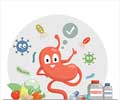
Probiotics are
live microorganisms like lactobacilli that, when taken orally, improve the
microbial balance in the digestive tract and show beneficial effects in a
number of conditions. They have been found to have cholesterol lowering properties,
anticancer effects, and beneficial effects in lactose intolerance, allergy,
constipation, and acute viral diarrhea among other conditions. Lactobacillus acidophilus, Bifidobacterium
bifidum and Saccharomyces boulardii are among the commonly used bacteria in
probiotics. They are available either
individually or in combination.

More Probiotics in Your Diet Could Ensure Better Mental Health
Neurochemicals delivered directly to the gut, via probiotic (referred to as good bacteria) promote gastrointestinal health and psychological well-being, reveals a new study.
Neurochemicals delivered directly to the gut, via probiotic (referred to as good bacteria) promote gastrointestinal health and psychological well-being, reveals a new study.
What are the recent guidelines for the use of probiotics in preterm infants?
Studies indicate that probiotics play a role in the prevention of the development of necrotizing enterocolitis in premature babies, thus reducing the number of deaths in this population.

Probiotics may Not be Useful in Children With Constipation: Study
Probiotics may not be effective in treating children with constipation.
Probiotics may not be effective in treating children with constipation.
• Based on various published studies, the guidelines suggest that probiotics containing bifidobacteria and lactobacilli are the best choice in preterm infants. This combination has been found to promote the growth of lactic-acid bacteria within the infant’s digestive tract. It is however, not entirely clear whether the use of multiple strains may be more beneficial than single strains. Combinations may be used only if they have been well tested before. Studies also indicate that Lactobacillus GG and Bifidobacterium animalis (subspecies lactis) may not be useful in preventing necrotizing enterocolitis; the use of these probiotic strains alone should be avoided in preterm infants pending further studies.
Advertisement

Probiotics Could Help Treat Recurrent Urinary Tract Infections
A recent study suggests that the probiotic may reduce the rate of recurrent urinary tract infections in women prone to these infections.
A recent study suggests that the probiotic may reduce the rate of recurrent urinary tract infections in women prone to these infections.
• Probiotics should be administered as early as possible in preterm infants. This is to ensure bacterial colonization with the desired bacteria before the gut is invaded by pathogenic bacteria.
Advertisement
Probiotics are an Ally in the Fight Against Obesity
A new study suggests that including probiotics in your daily diet could not only help in the fight against obesity but also reduce low level inflammation.
A new study suggests that including probiotics in your daily diet could not only help in the fight against obesity but also reduce low level inflammation.
• The probiotic supplementation should also be stopped during an acute illness like severe infection or sepsis. This is due to lack of evidence whether the probiotic would be safe in this condition.
• The infant should be monitored for adverse effects like abdominal distension, flatulence, diarrhea, vomiting, and probiotic sepsis (severe infection caused by the probiotic).
Reference:
1. Despande GC, Rao SC, Keil AD, Patole SK. Evidence based guidelines for use of probiotics in preterm neonates. BMC Medicine 2011; 9:92.
Source-Medindia