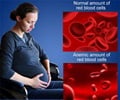
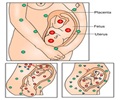
A new safety warning regarding the use of antipsychotics (APs) during pregnancy has been issued by the FDA. With this announcement, the overall safety of prescribing antipsychotic drugs during pregnancy is under suspicion once again.
The peak age of onset of psychiatric disorders in women occurs during the childbearing years from 20 to 40. A significant proportion of affected women are exposed to psychotropic medication at some point during their pregnancy. Ethical complications limit the number of studies regarding the safety of APs during pregnancy. Little is known about the risks to the unborn when the mother is on antipsychotic drugs.
Effectiveness of Atypical Antipsychotics
Few psychiatric drugs known as atypical antipsychotics are effective in reducing the symptoms for some off-label conditions, but not others, shows study.
Few psychiatric drugs known as atypical antipsychotics are effective in reducing the symptoms for some off-label conditions, but not others, shows study.
Newborns of mothers taking antipsychotics may develop abnormal movements, called extrapyramidal symptoms (EPS). EPS is a common side effect seen in adults on APs. The abnormal movements in newborn are also thought to be due to a withdrawal syndrome. The antipsychotic exposure received by the fetus while inside the mother’s uterus is lost at birth and thus may cause withdrawal syndrome. 69 cases of neonatal EPS or withdrawal were reported in October 2008. Some newborns required intensive care and prolonged hospitalization. Recovery following a few hours after birth was noted in others.
Prescription of antipsychotic medications has been on a rise. Depression, agitation seen with concurrent co-morbid disorders, sleep disorders are all routine indications for atypical antipsychotics. The FDA has consistently worked to develop and include more comprehensive information in drug labels about the drug’s effects during pregnancy.

After FDA Warning, Use of Atypical Antipsychotics in Treatment of Dementia Declined
Report says warning issued by the FDA regarding the use of atypical antipsychotics for the treatment of dementia was associated with a significant decline in their use
Report says warning issued by the FDA regarding the use of atypical antipsychotics for the treatment of dementia was associated with a significant decline in their use
Pregnancy is a critical period when the body undergoes a lot of metabolic changes that alter the way drugs get utilized and metabolised. This means the choice of prescribed drug should be made with utter care, considering the condition of the patient. It should be highly customised to the bodily state of the pregnant patient.
Advertisement
Antipsychotics Linked To Subtle Brain Volume Loss In Schizophrenic Patients
A new study has found that intake of antipsychotic medications by schizophrenic patients make them to lose a small but measurable amount of brain tissue over time.
A new study has found that intake of antipsychotic medications by schizophrenic patients make them to lose a small but measurable amount of brain tissue over time.
It is worth to note that the new model of mental health care delivery stresses on the concept of community and family support to tackle psychiatric symptoms. Institutional hospitalizations are as shortened as possible. Nondrug therapy is considered whenever possible. When drug therapy is indicated, the prescriber should be familiar with the risks and the patient must be educated about the same.
Advertisement
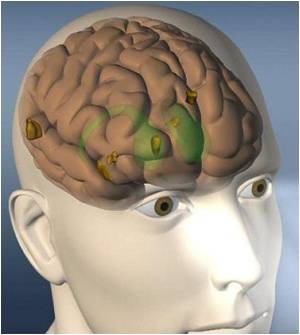
Antipsychotics Lead To Weight Gain And Adverse Metabolic Effects
Weight gain and metabolic adverse effects of second generation antipsychotics are a serious matter of concern.
Weight gain and metabolic adverse effects of second generation antipsychotics are a serious matter of concern.
Source-Medindia