Researchers have recently found a genetic mutation that makes some individuals more prone to colorectal, bowel and other cancers.
Scientists at the University of New South Wales (UNSW) and the University of Western Australia studied a large family that developed colorectal cancer while young. They found that several members of that family, belonging to three generations, had their anti-cancer gene MLH1 switched off.
Breast Cancer - Causes, Risks, Symptoms, Diagnosis, Staging, Treatment, Prevention & Prognosis
Breast cancer is a cancer that affects the breasts or mammary glands. Early detection and lifestyle changes help in controlling breast cancer.
Breast cancer is a cancer that affects the breasts or mammary glands. Early detection and lifestyle changes help in controlling breast cancer.
The researchers have stumbled upon a new mechanism that increases a person’s susceptibility to cancer. In three generations of the family that they studied, the researchers had discovered that minute changes found near the anticancer gene MLH1 acted as magnets to attract modifying "biochemical tags," to the gene itself, thereby switching it off.
The subtle changes caused methyl groups to be added (in a process called “methylation”) to the MLH1 gene prompting them to switch off.
Brain Tumor and Gene Mutations
Researchers studied the impact of gene mutations that occurred in three important pathways, each of which has a key role in preventing glioblastoma an aggressive brain tumor formation.
Researchers studied the impact of gene mutations that occurred in three important pathways, each of which has a key role in preventing glioblastoma an aggressive brain tumor formation.
Says study co-leader and head of the adult cancer program at the Lowy Cancer Research Centre, Professor Robyn Ward. "When the methylation attaches to the MLH1 gene in these families, it causes it to be completely switched off and as a consequence cancer develops. But until now, we did not understand how these methylation tags were being passed from parent to child."
Advertisement
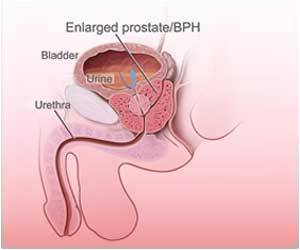
Research Links Genetic Mutations With Increased PSA and Prostate Cancer
Austrian researchers have uncovered mutations throughout the mitochondrial genome that are associated with prostate cancer.
Austrian researchers have uncovered mutations throughout the mitochondrial genome that are associated with prostate cancer.
Professor Robyn Ward says this research is "very exciting" as it reveals a new way cancer is inherited.
Advertisement

70 Genetic Mutations Lead to Colon Cancer - Study
In a recent research it was found that at least 70 genetic mutations are involved colon cancer formation. Scientists say that this number is far more than previously thought.
In a recent research it was found that at least 70 genetic mutations are involved colon cancer formation. Scientists say that this number is far more than previously thought.
"The spelling mistake was, in fact, very subtle and something that we would not normally have paid too much attention to, partly because it wasn't actually within the body of the gene itself."
Researchers claim that the discovery could help to identify families at risk of hereditary cancers, and possibly create a mode of treatment that allowed drugs to dispense with the biochemical tag and “switch on” the anti-cancer gene.
UNSW's Dr Megan Hitchins who led the study says, "This subtle spelling mistake in front of the gene literally served like a magnet to attract a biochemical called “methylation” which then turns the gene off. But in this family, attracting the methylation to sit on top of their gene and turn it off is actually an error, because that gene, because of its anti-cancer properties, is meant to be switched on."
The findings of this study have been reported in the international journal Cancer Cell.
Resources:
Internet
Source-Medindia