Mediterranean dietary pattern reduces the risk of cardiovascular disease, reduces oxidative stress and is important in modulating inflammation, according to an Italian study published in the Nutrition Journal.
Lesser known in India, the Mediterranean diet has shown to be a heart friendly diet. This diet is considered to be the local diet in countries such as Spain, France, Greece, Italy, and Morocco.
Cut the Risk for Cancer With Mediterranean Diet
Mediterranean diet is known to reduce risk of heart disease. And now, a recent researches have found that this diet helps reduce the risk of developing cancer as well.
Mediterranean diet is known to reduce risk of heart disease. And now, a recent researches have found that this diet helps reduce the risk of developing cancer as well.
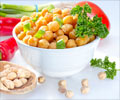
. high amount of fruit and vegetables, beans, and nuts;
. healthier meats like fish and poultry;
. olive oil as principal source of fat;
. low consumption of meat and dairy products; and
. moderate consumption of wine.
The Mediterranean diet focuses on:

Why is Olive Oil used extensively in the Mediterranean Diet?
Olive oil is a good source of monounsaturated fat. Olive oil contains antioxidants that discourage artery clogging and chronic diseases, including cancer.
Olive oil is a good source of monounsaturated fat. Olive oil contains antioxidants that discourage artery clogging and chronic diseases, including cancer.
. Consumption of mainly plant-based foods, such as fruits and vegetables (7 to 10 servings a day), whole grains, legumes and nuts.
. Use of healthy fats such as olive oil and canola oil instead of butter.
. Use of herbs and spices instead of salt to flavor foods.
. Eating fish and poultry at least twice a week instead of red meat.
. Drinking red wine in moderation (optional).
. Choosing low fat milk, yoghurt, cheese over the high fat ones.
It has shown to reduce the risk of chronic diseases. Research has elaborated various benefits of this diet type. They are as follows:
Advertisement
. Slow ageing and longetivity.
. Protective role (reduction of oxidative stress) due to the phenolic components present in the diet.
. Reduction of inflammation.
To study the effects of the Mediterranean diet on health, mainly the antioxidant status, Dr Elena Azzini and colleagues from the National Research Institute for Food and Nutrition, Italy, conducted a study amongst a healthy Italian population group. The age of the participants ranged between 30 to 35 years. 131 people participated in the study. The inclusion criteria were as follows:
Advertisement
. BMI range from 18.5-25 kg/sq m,
. Absence of acute or chronic diseases or metabolic disorders, smoking habits, alcohol consumption of less than 30g per day for men and less than 20g per day for women,
. No drugs (aspirin, anti-inflammatory medications) and no vitamin or mineral supplements.
All enrolled volunteers were evaluated with respect to lifestyle, anthropometric measurements (weight, height and circumferences) and food consumption by a dietary diary over four consecutive days including the weekend. All consumed foods and beverages were recorded by participants which were checked the day after by the dietician. For more accurate recordings and the estimation of the portions a photo album was used. Italian Food Composition Tables were used to calculate energy, macro and micronutrients from daily consumption.
The degree of adherence to the traditional MD was assessed using the Mediterranean Diet Score (MDS). According to the proposed method, food items were grouped into major food groups based on the Mediterranean diet and for comparison purposes, the food intake (gram/day) was adjusted to 2500 kcal / day for men and 2000 kcal / day for women. Foods groups (vegetables, fruits, legumes, cereals, fish, meat, dairy products, alcohol) as well as relationship between monounsaturated and saturated fatty acids were considered.
Blood samples (serum, plasma and whole blood) were assessed for the following parameters:
. Antioxidant status by vitamin A, vitamin E, carotenoids, vitamin C, uric acid, SOD (Superoxide Dismutase) and GP (Glutathione Peroxidase) activities
. The lipid blood profile by total cholesterol, HDL cholesterol, LDL cholesterol, triglycerides
. Total antioxidant capacity and the immune status
The study findings have shown that although the fat consumption was seen towards the higher side, there was a lower prevalence of cardiovascular risk, calculated on waist circumference values.
In subjects with higher adherence to the diet rich in fruits and vegetables, many positive health outcomes were observed.
. With higher consumption of fruits and vegetables, the diet with its high content of antioxidants exerted a preventive action to lipid oxidation against oxidative stress.
. Circulating plasma levels of carotenoids, vitamin A and vitamin E were higher with greater adherence to the diet. Studies have shown that vitamin A can lower the production of compounds that cause inflammation.
. Consumption of fruits and vegetables rich in phytochemicals increased the circulating levels antioxidants, thus improving immunity and protecting the selected sample from oxidative stress and maintaining a healthy status.
If pondered upon the Mediterranean way of eating proves to be one of the best and the simplest way of eating. Extremely rich in heart protective nutrients it surely is a winner all the way.
Reference:
Mediterranean Diet Effect: an Italian picture; Elena Azzini et al; Nutrition Journal 2011.
Source-Medindia