The human papilloma virus (HPV) vaccination was recently introduced to prevent cervical cancer in females. It is administered as three doses to girls between 12 and 26 years preferably before they are sexually active.
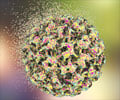
The HPV virus spreads through sexual contact. Persistent infection with HPV types 16 and 18 has been found to be associated with cervical cancer. On the other hand, HPV types 6 and 8 are usually low-risk types for cancer and cause genital warts. Vaccinating girls before their first sexual intercourse could help to reduce infections with HPV and bring down the incidence of cervical cancer.
Pap smear and Cervical Cancer Screening
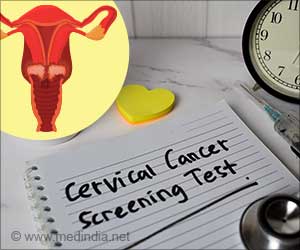
Pap smear is the most common test used in screening cervical cancer caused by an infection with human papilloma virus. Pap smear should be repeated every 1 to 3 years till the age of 65 years.
Pap smear is the most common test used in screening cervical cancer caused by an infection with human papilloma virus. Pap smear should be repeated every 1 to 3 years till the age of 65 years.
A study was conducted in Victoria, Australia to study the impact of HPV vaccination program on the incidence of cervical cancer. HPV vaccination was recently introduced for all women in Australia between 12 and 26 years of age between the years. The researchers studied the incidence of low grade abnormalities or LGA (which included low-grade squamous intraepithelial lesions and atypical squamous cells of undetermined significance) detected on Pap smear and high grade abnormalities or HGA (which included cervical intraepithelial neoplasia of grade 2 or worse or adenocarcinoma in situ) detected on the cervical tissue sample obtained using a procedure called colposcopy. Invasive cancers were classified separately.
The authors found that there was a significant decrease of 38% in HGA in girls below 18 years of age within 3 years after the introduction of the HPV vaccine.
The researchers thus conclude that early administration of HPV vaccine before a girl becomes sexually active helps to reduce the incidence of cervical cancer. However, longer duration studies are warranted to study if the vaccine can protect from cervical cancer in the longer term.
Reference:
Advertisement
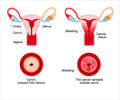
Cervical Cancer - Types, Causes, Symptoms, Diagnosis, Treatment, Complications & Prevention
Cancer cervix refers to cancerous growth in the cervix and usually occurs in the transition called squamo-columnar junction.
Cancer cervix refers to cancerous growth in the cervix and usually occurs in the transition called squamo-columnar junction.
Source-Medindia

Quiz on Cancer
Cancer, is the second most leading cause of death worldwide. Cancer is not just one disease but many diseases. There are more than 100 different types of cancer. Take this quiz on and test how much you know about cancer.
Cancer, is the second most leading cause of death worldwide. Cancer is not just one disease but many diseases. There are more than 100 different types of cancer. Take this quiz on and test how much you know about cancer.