Osteoarthritis of the knee can cause significant disability. It causes pain, stiffness and limits movement. Besides the usual pain killers and anti-inflammatory drugs used to control the symptoms, a number of new drugs are being tried out that could modify the course of the disease itself and provide relief to the patient. These drugs are referred to as disease-modifying osteoarthritis drugs (DMOAD).
Doxycycline is one of the drugs being tried out to check if it qualifies for being a DMOAD. It belongs to the tetracycline group of antibiotics. Doxycycline is currently used for a number of bacterial and other infections. It has been found to inhibit metalloproteinase, an enzyme which contributes to degeneration of cartilage in the joints. Some prior studies have indicated that doxycycline may slow the progression of osteoarthritis.
Osteoarthritis - Causes, Symptoms, DIagnosis, Treatment, FAQs
Osteoarthritis is one of the commonest joint disorder and occurs as we age due to wear and tear of a joint. Osteoarthritis can affect any joint of the body.
Osteoarthritis is one of the commonest joint disorder and occurs as we age due to wear and tear of a joint. Osteoarthritis can affect any joint of the body.
The study found that 27% patients in the doxycycline group and 35% patients in the placebo group showed a response to treatment. This shows that doxycycline is not effective in reducing symptoms of pain, stiffness or improving function of the knee joint in patients with knee osteoarthritis. On the contrary, it was associated with more side effects. Discontinuation of treatment was more common in patients taking doxycycline as compared to those taking placebo.
Thus, doxycycline cannot be currently recommended to relieve symptoms in patients with knee osteoarthritis. Further research with synthetic metalloproteinase inhibitors that can improve symptoms in osteoarthritis without producing excessive adverse effects is warranted.

What is arthritis?
The pain in the joints can be effectively eased through the practice of yoga, which gives flexibility to the joints and strength to the muscles of the body parts
The pain in the joints can be effectively eased through the practice of yoga, which gives flexibility to the joints and strength to the muscles of the body parts
1. Gijs et al; The effects of doxycycline on reducing symptoms in knee osteoarthritis: results from a triple-blinded randomised controlled trial; Ann Rheum Dis 2011; doi:10.1136/ard.2010.147967
Advertisement
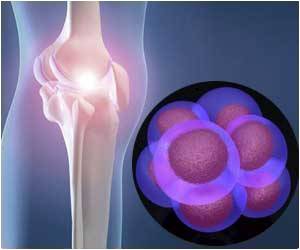
Stem Cell Treatment for Osteoarthritis of Knee Joint
Stem cell therapy is a technique that relies on the concept that stem cells can be grown into cartilage cells and tissues that are capable of repairing the damage caused to various parts of the body.
Stem cell therapy is a technique that relies on the concept that stem cells can be grown into cartilage cells and tissues that are capable of repairing the damage caused to various parts of the body.

Doxycycline
This medication is a broad-spectrum antibiotic, prescribed for certain types of bacterial infections such as pneumonia and other respiratory tract infections, Lyme’s disease, infections of the skin, genital, and urinary systems and anthrax.
This medication is a broad-spectrum antibiotic, prescribed for certain types of bacterial infections such as pneumonia and other respiratory tract infections, Lyme’s disease, infections of the skin, genital, and urinary systems and anthrax.