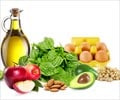
Food increases the absorption of some oral anticancer drugs. Yet, these drugs are advised to be taken on an empty stomach.

Quiz on Cancer
Cancer, is the second most leading cause of death worldwide. Cancer is not just one disease but many diseases. There are more than 100 different types of cancer. Take this quiz on and test how much you know about cancer.
Cancer, is the second most leading cause of death worldwide. Cancer is not just one disease but many diseases. There are more than 100 different types of cancer. Take this quiz on and test how much you know about cancer.
When a drug is administered intravenously (injected directly into the vein), the entire amount reaches the target organ via the blood. However, when a drug is administered orally, a number of factors reduce the total amount of drug finally reaching the circulation and exerting its effect. The amount of drug that reaches the circulation is called bioavailability of the drug.
When a tablet is taken orally, it first has to dissolve in the stomach and intestinal juices. It then gets absorbed through the lining of the intestines or the stomach in some cases to reach the blood. The blood carries it to the liver, where some amount of the drug may be destroyed. Finally, the drug reaches the circulation, from where it goes to the target organ.

Cancer Key Facts and Statistics
Cancer is an abnormal cell growth and it can destroy other body tissues. 1 in 6 deaths that occur in the world is due to cancer. Here are some key facts and statistics about cancer
Cancer is an abnormal cell growth and it can destroy other body tissues. 1 in 6 deaths that occur in the world is due to cancer. Here are some key facts and statistics about cancer
Oral Anticancer Drugs:
Advertisement

Eribulin – A Novel Drug for Breast Cancer
Eribulin has been found to improve survival in patients with metastatic or locally recurrent breast cancer who have received heavy chemotherapy before.
Eribulin has been found to improve survival in patients with metastatic or locally recurrent breast cancer who have received heavy chemotherapy before.
Most oral anticancer drugs are advised to be taken in the fasting state. One would presume that food reduces the bioavailability of these drugs. This is true for some drugs, for example sorafenib.
Advertisement
Scientists Find Bitter-blocking Ingredient in Artificial Sweeteners
Researchers have discovered the chemical that specifically blocks people's ability to detect the bitter aftertaste that comes with artificial sweeteners such as saccharin.
Researchers have discovered the chemical that specifically blocks people's ability to detect the bitter aftertaste that comes with artificial sweeteners such as saccharin.
Taking oral anticancer drugs with increased bioavailability along with food has the following advantages:
· Since more drug is absorbed into the blood, the total amount of unabsorbed drug in the digestive tract is reduced, thereby reducing digestive tract side effects.
· The dose of the drug can be reduced; thus drug wastage is reduced and treatment becomes more cost-effective.
· Associating the timing of the dosage with a meal may serve as a reminder for the patient to take the drug.
It is hoped that the FDA will consider the unnecessary wastage of oral anticancer drugs caused by taking them in fasting state and will review the guidelines for taking these medications.
Reference:
1. Soonmo Peter Kang and Mark J. Ratain. Inconsistent labeling of food effect for oral agents across Therapeutic Areas: Differences between Oncology and Non Oncology Products. Clin Cancer Res 2010;16:4446-4451
2. Mark J. Ratain. Flushing Oral Oncology Drugs Down the Toilet. Journal of Clinical Oncology, Vol 29, No 30 (October 20), 2011: pp 3958-3959
Source-Medindia