Dietary restriction of salt has been found to be as effective as single drug therapies for hypertension. An altered dietary salt intake could aid in the prevention and treatment of diabetic kidney disease.
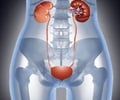
About 75% of cardiovascular disease (CVD) in diabetes may be attributed to hypertension. Raised blood pressure (BP) is known to be the largest direct cause of death due to the strokes, heart attacks and heart failure in diabetic patients. Diabetes makes it more likely to develop high BP. Kidneys contain millions of tiny filters called nephrons. Consistently high values of glucose, as it occurs in diabetes damage these nephrons resulting in Diabetic kidney disease (DKD). DKD is the leading cause of chronic kidney disease (CKD), a condition where there is progressive loss in renal function over a period of months or years.
Chronic Renal Failure - Symptoms, Diagnosis, Complications, Treatment, Prevention
Chronic renal failure or chronic kidney disease is progressive loss in kidney function. The change is irreversible and is due to loss of nephrons of the kidney.
Chronic renal failure or chronic kidney disease is progressive loss in kidney function. The change is irreversible and is due to loss of nephrons of the kidney.
A study was done to evaluate the effects of salt restriction on the prevention and progression of DKD. A meta-analysis of Randomised Control Trials (RCTs) of salt reduction was performed. It included 13 studies including 254 patients with type 1 and type 2 diabetes. The results were published in Cochrane Reviews, a reliable source of evidence-based health care.
It was found that reducing salt intake by 8.5 g/day lowers BP by 7/3 mm Hg in type 1 and type 2 diabetes. This effect is equivalent to that produced by a single drug therapy. Tight control of BP in diabetics slows the progression of diabetic kidney disease. All diabetics should consider reducing salt intake at least to less than 5-6 g/day. The recommendation of 5-6 g/day is actually meant for the general population. Diabetics may consider lowering salt intake to still lower levels.

Quiz on Diabetes
Diabetes has replaced every other condition to become the fastest growing lifestyle disease, globally. This disease also impacts children. Some people are more inclined to develop diabetes than others. Do you belong to the high- risk group? Spend 5 minutes to find out.
Diabetes has replaced every other condition to become the fastest growing lifestyle disease, globally. This disease also impacts children. Some people are more inclined to develop diabetes than others. Do you belong to the high- risk group? Spend 5 minutes to find out.
Reference:
Advertisement
Source: Cochrane
Advertisement

Blood Pressure Chart
Blood pressure is the pressure of the blood flowing through your blood vessels against the vessel walls. Just by entering you age, you can get the accurate range of blood pressure value.
Blood pressure is the pressure of the blood flowing through your blood vessels against the vessel walls. Just by entering you age, you can get the accurate range of blood pressure value.
Source-Medindia