Overactive bladder is a condition where the urinary bladder is unable to perform its usual function of storage of urine efficiently. Consequently, the patient suffers from symptoms like increased urgency to pass urine and at an increased frequency. The patient may have to get up frequently at night to void the bladder. He/ she may also experience episodes of incontinence, which could interfere with his/her social life. Patients with urinary incontinence are said to be suffering from overactive bladder “wet” and patients without urinary incontinence are said to be suffering from overactive bladder "dry."
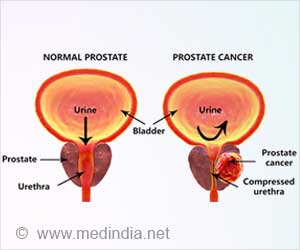
Overactive bladder becomes more common with increasing age. It often occurs due to increased muscle activity of the bladder, which could be a consequence of partial bladder obstruction, as in the case of prostate enlargement. The inner lining of the bladder could also play a role in bladder overactivity through the release of certain substances like prostaglandins, which stimulate the nerves and result in urgency.
Incontinence-Involuntary Loss of Urine - An impact on the daily life solution
Unintentional loss of urine has multiple implications to the sufferer. Urinary Incontinence has been noted to be a major barrier to social interests, entertainment, or physical recreation.
Unintentional loss of urine has multiple implications to the sufferer. Urinary Incontinence has been noted to be a major barrier to social interests, entertainment, or physical recreation.
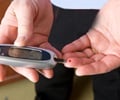
A study was carried out to study the prevalence of overactive bladder in patients with type 2 diabetes. The patients were administered a questionnaire to find out if they suffered from symptoms of overactive bladder.
Out of the total 1359 included in the study, 22.5% reported to be suffering from overactive bladder; 11.7% of these with overactive bladder dry and 10.8% with overactive bladder wet. Overactive bladder and overactive bladder wet were 2.4 and 4.2 times more common in patients with diabetes of more than 10 years duration, and of age more than 50 years. Men and older aged individuals were more likely to suffer from overactive bladder, whereas older individuals and people with a broader waist were more likely to suffer from incontinence due to the overactive bladder.

Urinary Incontinence Calculator
Do you have a problem with urinary leakage? Don’t suffer in silence seek help but first find out the severity of the leak by using this calculator.
Do you have a problem with urinary leakage? Don’t suffer in silence seek help but first find out the severity of the leak by using this calculator.
Reference:
Advertisement

Quiz on Diabetes
Diabetes has replaced every other condition to become the fastest growing lifestyle disease, globally. This disease also impacts children. Some people are more inclined to develop diabetes than others. Do you belong to the high- risk group? Spend 5 minutes to find out.
Diabetes has replaced every other condition to become the fastest growing lifestyle disease, globally. This disease also impacts children. Some people are more inclined to develop diabetes than others. Do you belong to the high- risk group? Spend 5 minutes to find out.
2. Yoshida M et al. The Forefront for Novel Therapeutic Agents Based on the Pathophysiology of Lower Urinary Tract Dysfunction: Pathophysiology and Pharmacotherapy of Overactive Bladder. J Pharmacol Sci 2010; 112: 128 – 134.
Advertisement

Botox Approved for Treating Overactive Bladder
The European Union has cleared the way for Botox to be used for treating patients suffering from urinary incontinence
The European Union has cleared the way for Botox to be used for treating patients suffering from urinary incontinence