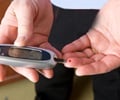
Artificial sweeteners have gone a long way in improving the life of diabetic patients - diabetics can now eat sweetened foods without worry.
Artificial sweeteners have also been aggressively marketed as a means to avoid sugar in non-diabetics as well. Manufacturers claim that they reduce the total calorie intake and play a role in maintaining fitness and reducing obesity. However, to achieve this, artificial sweeteners should also be accompanied by reduced calorie intake from other sources as well as exercise and other methods to increase caloric expenditure. Non-caloric sweeteners do not have an ability to suppress appetite and reduce motivation to eat more.
Quiz on Artificial Sweeteners
With better and safe non caloric sweeteners coming in the market day by day, it has now become possible for people to consume any sweet food /beverage without a compromise on taste.
With better and safe non caloric sweeteners coming in the market day by day, it has now become possible for people to consume any sweet food /beverage without a compromise on taste.
• Non caloric sweeteners like acesulfame-K, aspartame, cyclamate, saccharin and sucralose
• Sugar alcohols like hydrogenated starch hydrosylate, lycasin, maltitol and sorbitol. Sugar alcohols provide fewer calories as compared to saccharides, but they cause some digestive tract disturbances.

Artificial Sweetener Used in Diet Coke to Undergo Safety Review
An artificial sweetener used in some of the most popular soft drinks including Diet Coke will be the subject of an EU safety review
An artificial sweetener used in some of the most popular soft drinks including Diet Coke will be the subject of an EU safety review
Which sweeteners could possibly help in controlling blood glucose? Do sweeteners play any role in reducing obesity, as they are claimed to be? Which sweeteners provide better health benefits? A review of published clinical trials evaluating the use of sweeteners in healthy people, diabetics and obese or overweight people was recently published.
Advertisement

Artificial Sweetener: New Checks on Safety Issues
The European Commission has requested a full review on the safety of artificial sweetener, aspartame. Aspartame is the most widely used artificial sweetener in the world.
The European Commission has requested a full review on the safety of artificial sweetener, aspartame. Aspartame is the most widely used artificial sweetener in the world.
Forty included trials studied the effect of sweeteners on 2-hour blood glucose. Fructose appeared to reduce 2-hour blood sugar as compared to glucose in diabetics. Studies comparing the effect of hypocaloric sweeteners to sucrose or high-fructose corn syrup were unable to reach any conclusions with regards to 2-hour blood glucose concentrations.
Advertisement
Scientists Find Bitter-blocking Ingredient in Artificial Sweeteners
Researchers have discovered the chemical that specifically blocks people's ability to detect the bitter aftertaste that comes with artificial sweeteners such as saccharin.
Researchers have discovered the chemical that specifically blocks people's ability to detect the bitter aftertaste that comes with artificial sweeteners such as saccharin.
Two trials indicated that non-caloric sweeteners reduced total energy intake compared to sucrose by approximately 250- 500 kcal/day.
One trial indicated that body mass index is reduced in people taking non-caloric sweeteners compared to sucrose.
It is unclear whether any short-term benefits of non-caloric sweeteners will have any long-term impact on obesity. In addition, artificial sweeteners should be used with caution since some are associated with adverse effects. For example, high corn fructose syrup has been associated with hypertriglyceridemia (though this was not found in any of the studies included in the review). Some sweeteners have been associated with certain cancers in animal studies. Further and longer term studies are required to establish the benefits of artificial sweeteners in conditions like obesity.
Reference:
1. Natasha Wiebe et al. A systematic review on the effect of sweeteners on glycemic response and clinically relevant outcomes. BMC Medicine 2011, 9:123
Source-Medindia