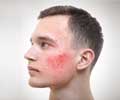
Alcohol can damage skin causing rosacea, porphyria cutanea tarda, post-adolescent acne, discoid eczema and psoriasis.
Alcohol consumption is known to cause multiple health problems which affect organs such as liver, heart, kidney, blood and bone marrow. It is also responsible for nutritional deficiencies and an overall decrease in immunity. Alcohol abuse has a deleterious affect on the skin and is responsible for causing various skin conditions like rosacea, porphyria cutanea tarda, post-adolescent acne, discoid eczema and psoriasis.
Alcohol Use Disorder | Alcoholism
Alcohol use disorder or alcoholism is an inability to control drinking. It can cause short term and long term physical, as well as psychological effects on the patient.
Alcohol use disorder or alcoholism is an inability to control drinking. It can cause short term and long term physical, as well as psychological effects on the patient.
Alcoholics tend to have an increase in systemic and superficial skin problems with bacterial and fungal infections. This is because of alcohol-induced nutritional deficiency and impaired absorption of zinc and vitamins from the intestines, which results in decreased immunity. The deficiencies of zinc, vitamin C and trace elements cause a weakening of mucosal barriers, poor wound healing and a tendency for infections.
Other abnormalities of the skin include fissuring in the corners of the lips, pinpoint bleeds due to vitamin B deficiency (called pellagra), development of red and purple hemorrhagic spots on the skin and a tendency for bruising easily.

Blood Alcohol Level
Use this calculator to estimate your blood alcohol content and the permissible limit in different countries.
Use this calculator to estimate your blood alcohol content and the permissible limit in different countries.
Alcohol, by acting on various enzymes, results in a flare up of porphyria cutanea tarda causing skin blisters and eruptions in sun-exposed areas which heal with scarring and milia (tiny white bumps in the skin).
Advertisement

Alcohol Self Screening Test
Take this anonymous self-test to evaluate your alcohol consumption and determine if your drinking pattern poses a risk for hazardous health conditions.
Take this anonymous self-test to evaluate your alcohol consumption and determine if your drinking pattern poses a risk for hazardous health conditions.
Psoriasis is a chronic inflammatory immune-mediated disease with multiple causative factors which affects skin too causing increased thickness of the skin due to its cells dividing more then they should normally. Evidently, alcohol abuse increases the possibility of aggravating or producing psoriasis.
Advertisement
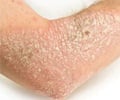
Psoriasis - Lifestyle and Wellness
Psoriasis can be effectively managed, or perhaps, even prevented, by following a healthy lifestyle
Psoriasis can be effectively managed, or perhaps, even prevented, by following a healthy lifestyle
Patients under medication for psoriasis taking alcohol have been reported to have a poor response to therapy. There is a peripheral involvement of the back of the hands and fingers in the psoriasis associated with profuse drinkers similar to that seen in immunocompromised individuals. There are many theories as to how alcohol provokes and aggravates psoriasis such as immune suppression, stimulating production of inflammatory cytokines and cell cycle activators which speed up the growth and multiplication of skin cells, and an increased propensity for superficial infections and damage.
To sum up, there is evidently an definite link between the contribution of alcohol and the development of skin problems including psoriasis. In case of psoariasis alcohol not only aggravates the disease but also causes resistance to the treatment. Medical treatment alone for a skin disorder is insufficient. Education and counseling about the effects of alcohol intake needs stressing and the patient requires constant reinforcement to ensure that he keeps away from his regular daily tipple.
Source: Alcohol and Skin Disorders: With a Focus on Psoriasis; Natalia et al; Skin Therapy Letter. 2011;16(4).
Source-Medindia