Asthma - Factors, Common Allergens, Diagnosis, Treatment, Support Groups, FAQs
It's a lung condition characterized by inflammation of the bronchi and constriction of the airways that result in coughing, wheezing or breathlessness. Allergy and other airway irritants can trigger it
It's a lung condition characterized by inflammation of the bronchi and constriction of the airways that result in coughing, wheezing or breathlessness. Allergy and other airway irritants can trigger it
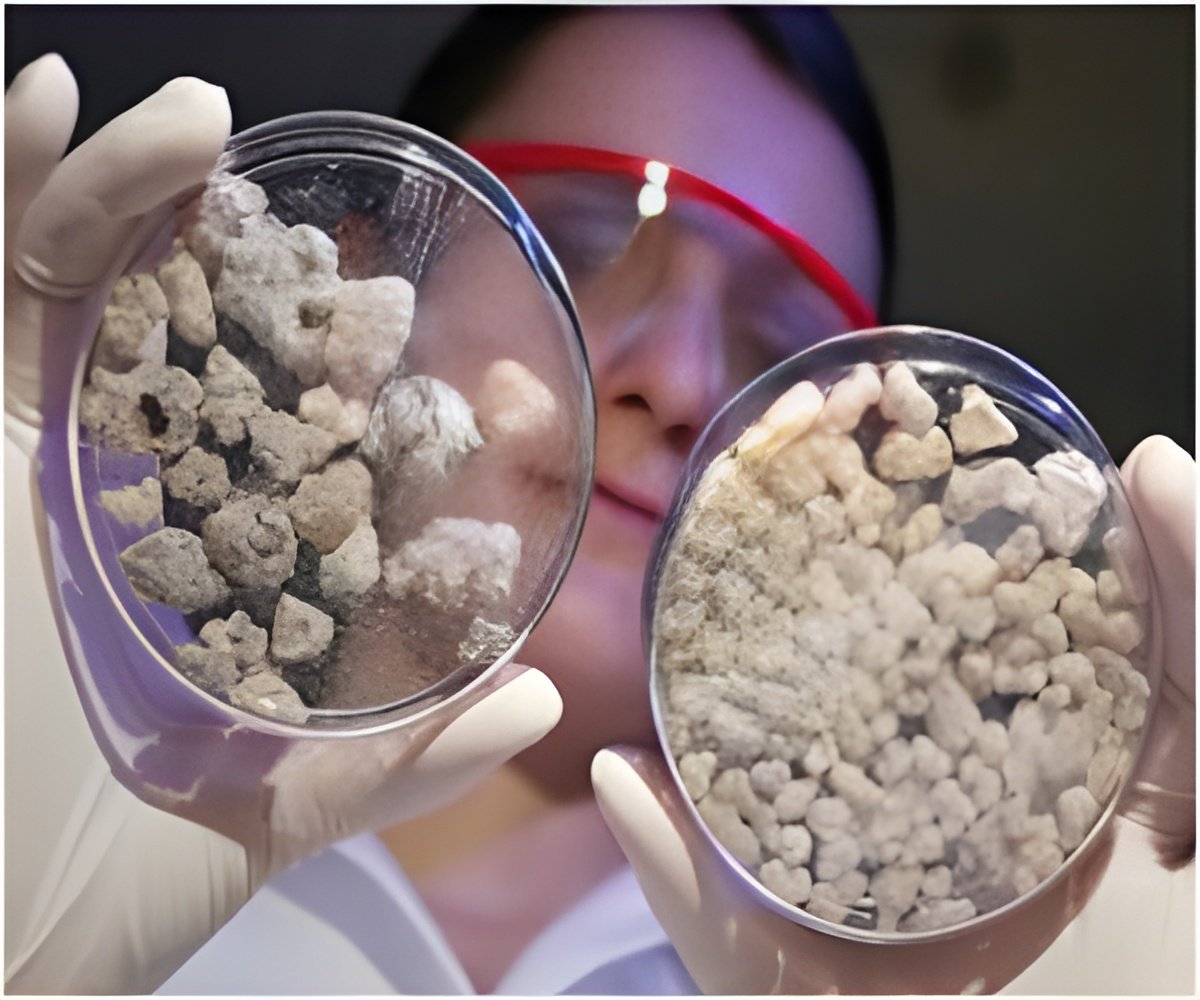
In their latest study the researchers around Professor Werz additionally compared the resin of different kinds of frankincense in its anti-inflammatory impact. There are more than ten Boswellia species in the world. The most well-known and widely-used one is the Boswellia serrata from Northern and central India. "We were able to show that the resin of the Boswellia papyrifera is ten times more potent," Professor Werz explains a further result of his research. This species mostly occurs in the Northeast of Africa (Ethiopia, Somalia) and on the Arabian Peninsula (Yemen, Oman).
Whether frankincense will become accepted, is indeed not only due to the outcome of the clinical examination which is yet to come. "Boswellic acids exclusively occur in the resin of Boswellia trees and are very difficult to produce synthetically," Werz points out. Therefore these trees are the only source of these promising active ingredients. However Boswellia trees are already an endangered tree species. In many places they are just being used as heating fuel. "Thereby without sustained protection not only plant species are endangered but at the same time medicine loses promising active ingredients," Professor Werz warns.

Quiz on Arthritis
Do you know that there are more than 100 types of arthritis? If you think that only old people suffer from arthritis, take this intriguing quiz to get your facts on arthritis.
Do you know that there are more than 100 types of arthritis? If you think that only old people suffer from arthritis, take this intriguing quiz to get your facts on arthritis.

West Learns Utility Of Frankincense From Somalis
Welsh scientists say that they learnt from Somalis that frankincense could be used to alleviate arthritic pain.
Welsh scientists say that they learnt from Somalis that frankincense could be used to alleviate arthritic pain.

Frankincense Oil May Represent An Inexpensive Alternative Therapy For Bladder Cancer
According to a new study, frankincense oil, tracing its origin to India, Africa and the Middle East, may prove to be an inexpensive alternative therapy for treating bladder cancer.
According to a new study, frankincense oil, tracing its origin to India, Africa and the Middle East, may prove to be an inexpensive alternative therapy for treating bladder cancer.