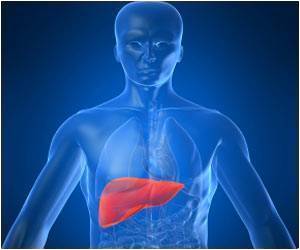
Lung Cancer - Types, Causes, Symptoms, Diagnosis, Treatment and Prevention
Lung cancer is a malignant tumor in the lung tissues. Smoking is the main cause of lung cancer with symptoms like recurrent respiratory diseases.
Lung cancer is a malignant tumor in the lung tissues. Smoking is the main cause of lung cancer with symptoms like recurrent respiratory diseases.
The investigators determined smoking rates around the time of diagnosis and five months after diagnosis in 5,338 lung and colorectal cancer patients.
At diagnosis, 39 percent of lung cancer patients and 14 percent of colorectal cancer patients were smoking; five months later, 14 percent of lung cancer patients and 9 percent of colorectal cancer patients were still smoking.
Lung Cancer Screening - FAQs
Lung cancer accounts for nearly 1.3 million deaths annually worldwide. Lung cancer screening can help in early detection of cancer and possible cure.
Lung cancer accounts for nearly 1.3 million deaths annually worldwide. Lung cancer screening can help in early detection of cancer and possible cure.
Factors and characteristics that predicted continued smoking differed by cancer type. Lung cancer patients who continued smoking tended to have Medicare or other public health insurance, have a lower body mass index, have low emotional support, not have received chemotherapy, not have had surgery, have had prior heart disease, and have smoked a high number of cigarettes per day at some point during their lives.
Advertisement

Cancer Prevention thro' Lifestyle Changes
Did u know that simple changes in lifestyle could lower your cancer risks? Find out how!
Did u know that simple changes in lifestyle could lower your cancer risks? Find out how!
"These findings can help cancer clinicians identify patients who are at risk for smoking and guide tobacco counseling treatment development for cancer patients," said Dr. Park.
Advertisement

Why smoking can kill you
Every cigarette you smoke is causing irreversible damage to your body; slowly killing you from the inside. It also endangers those around you, your family and children.
Every cigarette you smoke is causing irreversible damage to your body; slowly killing you from the inside. It also endangers those around you, your family and children.
Source-ANI