
Alzheimer’s disease - Causes, Symptoms, Diagnosis, Stages, Types, Prevention, Prognosis & Treatment
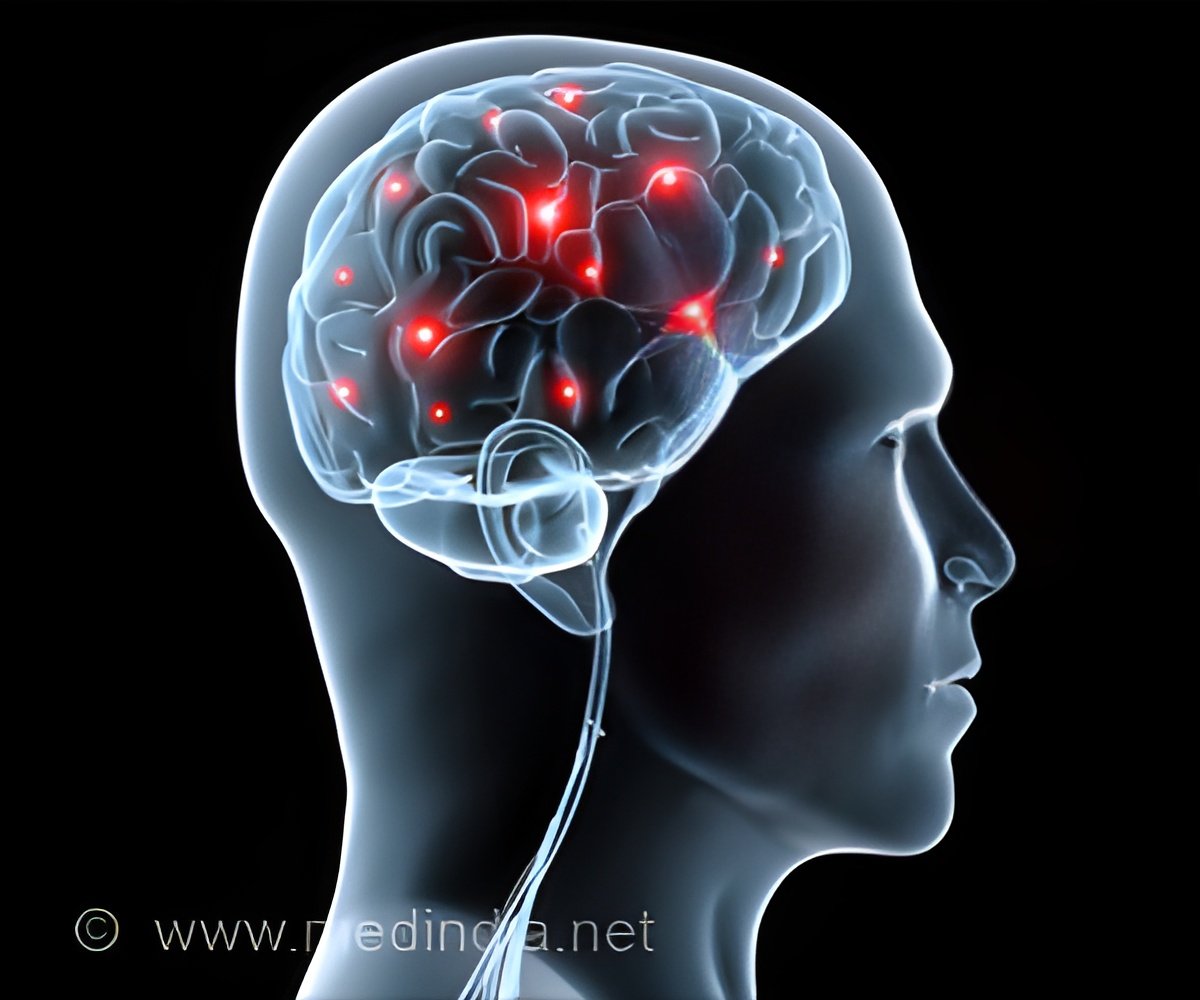
Alzheimer's disease is a progressive neurodegenerative disease affecting memory and thinking and making the person increasingly dependent on others.
Alzheimer's disease is a progressive neurodegenerative disease affecting memory and thinking and making the person increasingly dependent on others.
In the study, 171 caregivers -- three-quarters of whom were female -- completed the HABC Monitor. Fifty-two percent of the caregivers were the children of the patients, 34 percent were spouses, 6 percent were siblings, and 4 percent were grandchildren. Caregivers had a mean age of 58 years. Ninety percent indicated that they knew the patient very well, while 10 percent indicated they knew the patient well.
Source-Eurekalert

Diseases Related to Old Age
Ageing is referred to the accumulation of changes that brings a person closer to death.
Ageing is referred to the accumulation of changes that brings a person closer to death.
Alzheimer's Disease Day: Treating Dementia with Care Rather Than Cure
Alzheimer’s disease has no cure and patients need care more than cure, says Ravi Samuel, Cognitive Behavior & Cognitive Rehabilitation Psychotherapist.
Alzheimer’s disease has no cure and patients need care more than cure, says Ravi Samuel, Cognitive Behavior & Cognitive Rehabilitation Psychotherapist.

Literacy and Education May Prevent Dementia
Dementia is characterized by loss of global cognitive ability beyond normal aging in previously unimpaired individual. It affects activities like memory, speech understanding, etc.
Dementia is characterized by loss of global cognitive ability beyond normal aging in previously unimpaired individual. It affects activities like memory, speech understanding, etc.