
Asthma - Factors, Common Allergens, Diagnosis, Treatment, Support Groups, FAQs
It's a lung condition characterized by inflammation of the bronchi and constriction of the airways that result in coughing, wheezing or breathlessness. Allergy and other airway irritants can trigger it
It's a lung condition characterized by inflammation of the bronchi and constriction of the airways that result in coughing, wheezing or breathlessness. Allergy and other airway irritants can trigger it
Four of the top 10 most expensive NHS drugs last year were reliever or preventer inhalers for asthma and other respiratory conditions.
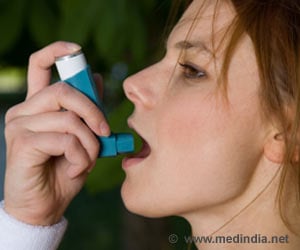
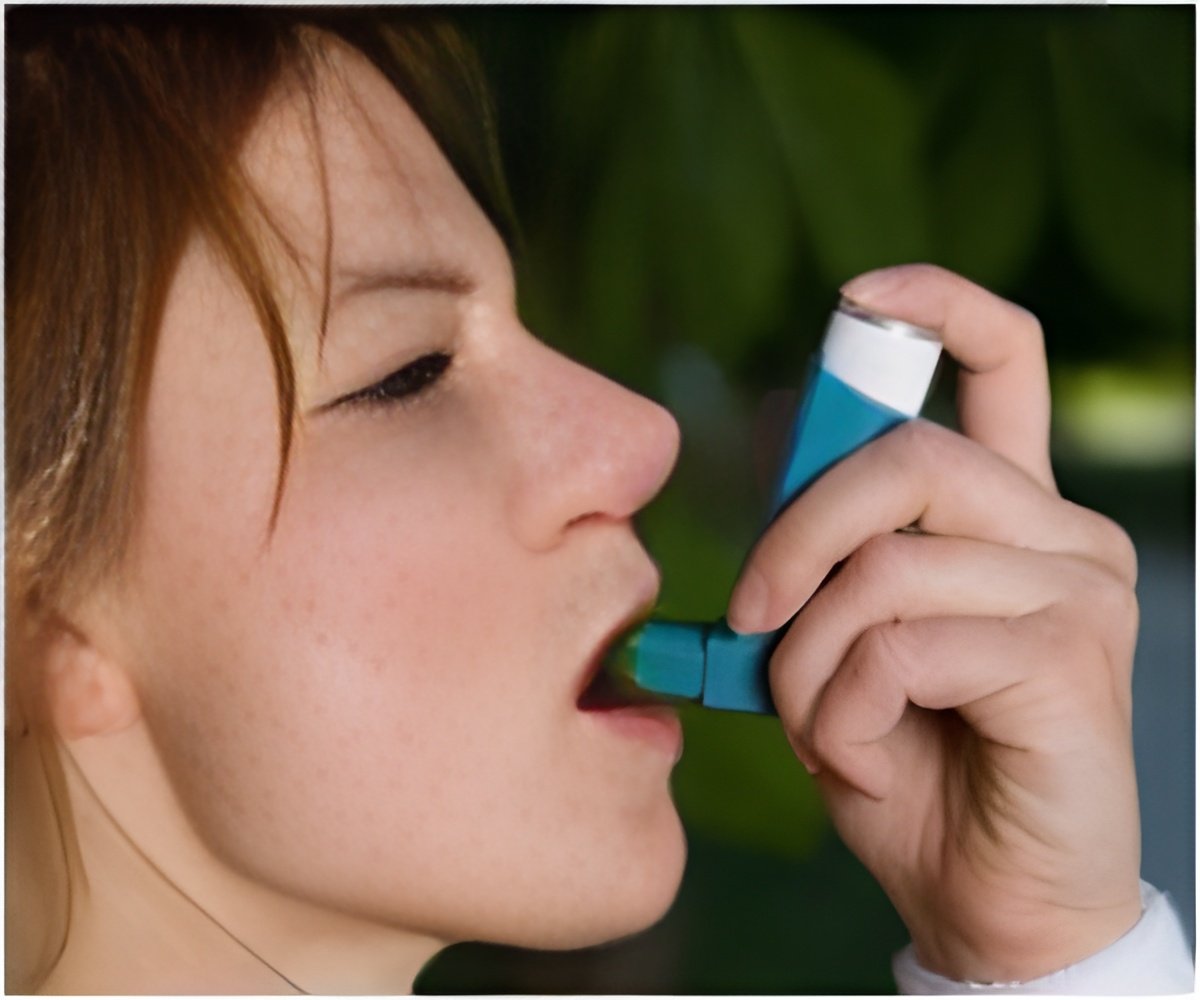
But even when the correct technique is applied, only around a third of the drug reaches the lungs, so when these inhalers are being used incorrectly, there's a good chance that the patient will get none at all, says DTB.
"Numerous studies over the past 30 years have shown that many patients cannot use inhalers correctly and over 50% of [them] struggle to use a metered dose properly," says DTB.
"Of perhaps more concern is the fact that many health professionals also do not know how to use inhalers correctly and are therefore not in a position to coach patients effectively," it continues.
Advertisement

New Inhaler is Child's Play
A new inhaler with a child-friendly design aims to solve the problem of dosage variance and patient compliance – key issues with inhaled drug treatments for children.
A new inhaler with a child-friendly design aims to solve the problem of dosage variance and patient compliance – key issues with inhaled drug treatments for children.
The editorial cites National Institute for Health and Clinical Excellence (NICE) guidance, which emphasises how neglected inhaler technique is, and recommends that it should be regularly reassessed and re-taught, because it is so important.
Advertisement

New Optimized Mouthpiece Inhaler Designed For Efficient Drug Delivery
A newly developed optimized mouthpiece design can aid efficient drug delivery to the lungs by reducing the amount of medication wasted as it passes through the mouthpiece of an aerosol inhaler.
A newly developed optimized mouthpiece design can aid efficient drug delivery to the lungs by reducing the amount of medication wasted as it passes through the mouthpiece of an aerosol inhaler.
There are also several system prompts which doctors, nurses, and community pharmacists could use to review a patient's inhaler technique, it says.
"However, there is a persuasive argument that such services should only be delivered by those who are able to demonstrate and teach the correct inhaler technique," concludes DTB.
"Only when healthcare professionals are competent and confident to use inhalers can we be sure that patients and the NHS will be getting best value for money," it says.
Source-Eurekalert