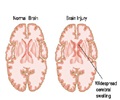
Head Injury | Brain Injury Overview Types Causes Symptoms Diagnosis Treatment
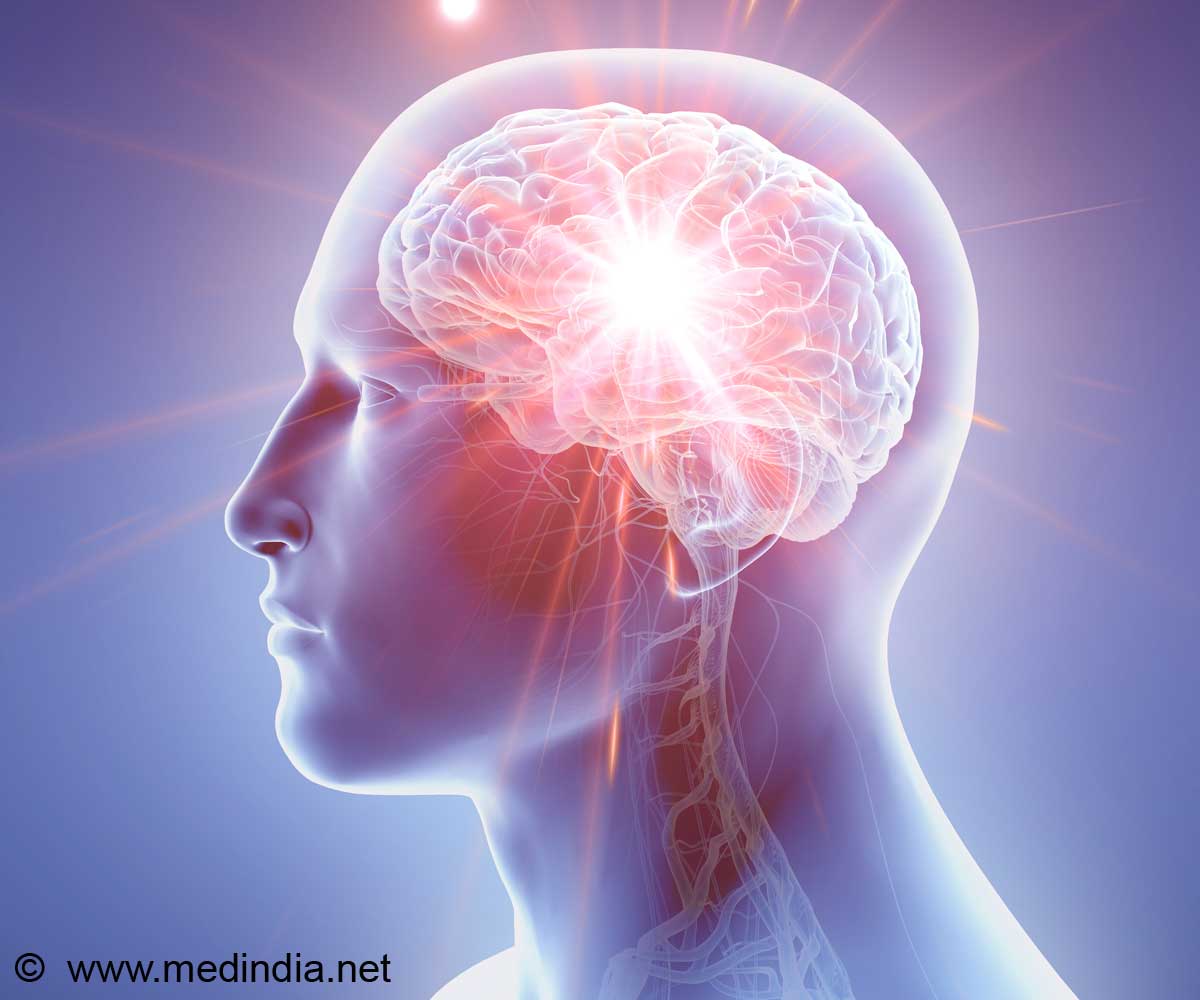
Head injury or traumatic brain injury is a leading cause of disability among children and young adults that leads to varying degrees of physical and mental stability. Fortunately, it is also one of the preventable brain disorder.
Head injury or traumatic brain injury is a leading cause of disability among children and young adults that leads to varying degrees of physical and mental stability. Fortunately, it is also one of the preventable brain disorder.
Dr. Michael Fanselow explained their findings: "We found that the rats with the earlier TBI acquired more fear than control rats (those without TBI). Something about the brain injury rendered them more susceptible to acquiring an inappropriately strong fear. It was as if the injury primed the brain for learning to be afraid."
To further understand why this happened, the researchers analyzed a small piece of brain tissue, the amygdala, which is the brain's critical hub for fear learning. They found that there were significantly more receptors for excitatory neurotransmitters that promote learning. "This suggests that brain injury leaves the amygdala in a more excitable state that readies it for acquiring potent fear," added Fanselow.

Post Traumatic Stress Disorder (PTSD) - Causes, Symptoms, Risk Factors, Complications, Dignosis, Treatment
Post Traumatic Stress Disorder (PTSD), is a mental condition triggered by a traumatic event. PTSD treatment includes pyschotherapy, behavior therapy and medications.
Post Traumatic Stress Disorder (PTSD), is a mental condition triggered by a traumatic event. PTSD treatment includes pyschotherapy, behavior therapy and medications.
Although this work was performed in rats, these findings also suggest that people who suffer even a mild traumatic brain injury are more likely to develop an anxiety disorder, and that proper management of stress after such an injury could be critically important to maintaining ones' mental health.
Advertisement
Quiz on Brain
The human brain is exquisitely intrinsic and is the seat of all emotions. If you are curious about what makes you bad, sad, silly or glad this quiz on the brain will satiate you.
The human brain is exquisitely intrinsic and is the seat of all emotions. If you are curious about what makes you bad, sad, silly or glad this quiz on the brain will satiate you.