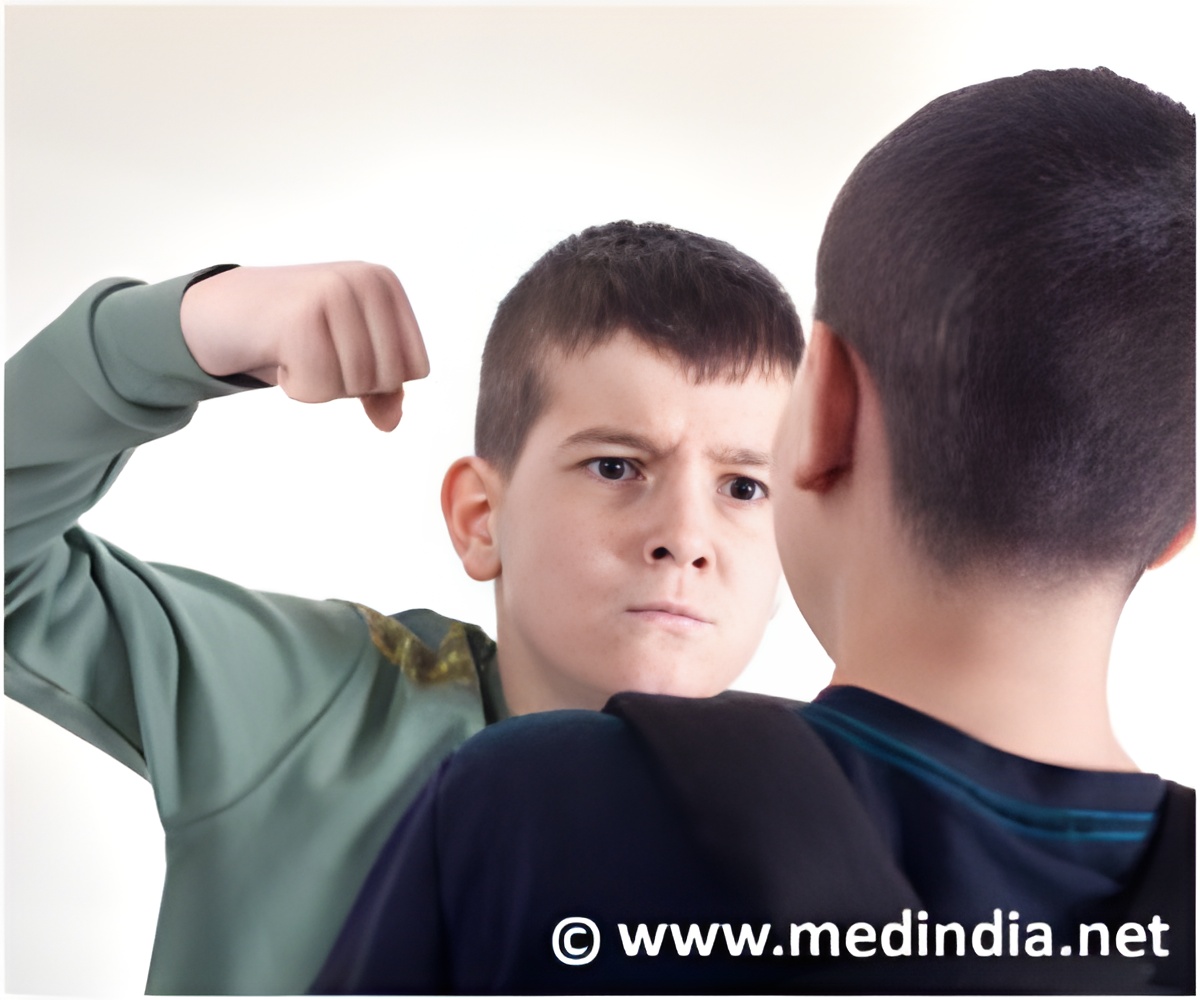

Bullying in Children - Tips For Teachers and Parents
Bullying is a harmful action (physical or psychological) carried out by a child against another. It is usually repetitive and unprovoked.
Bullying is a harmful action (physical or psychological) carried out by a child against another. It is usually repetitive and unprovoked.
Previous studies have shown that children who stutter are at three times greater risk of being bullied at school compared with peers who speak fluently. In this study, Langevin and her team surveyed more than 600 students who participated in the TAB program to evaluate its effectiveness at changing attitudes about stuttering.
Children who know someone that stutters—a family member, friend or peer—generally have more positive attitudes toward them, Langevin said. However, it's a different story for those with little frame of reference with stuttering—an unpredictable disorder characterized by repetitions, prolonged sounds or complete blocks that can be accompanied by head jerks, nods and facial grimaces that take some people by surprise, she said.
One of the key findings was that the program had the most impact on students who previously did not know anyone who stutters, eliciting more positive attitudes and raising the likelihood of social interaction. These students were also more likely to resist peer pressure to socially isolate stuttering children.
"It's the children who don't know someone who stutters that generally have more negative attitudes toward kids who stutter. We're very pleased to see this group had the highest change scores since they're the group we wanted to target."
Advertisement
Bullied Early Adolescents are Prone to Self Harm: BMJ Study
Frequent victimization by peers aggravates the chances of inflicting self harm in children.The school and healthcare professionals should devise programs to help children combat self harm tendencies.
Frequent victimization by peers aggravates the chances of inflicting self harm in children.The school and healthcare professionals should devise programs to help children combat self harm tendencies.
The survey also showed that children who bullied were most resistant to the TAB program itself, compared with victims and "dually involved" students—those who have bullied but have also been bullied. Those results make sense because kids who bully can lose social status if their peers recognize such behaviour is unacceptable, Langevin said.
Advertisement

Psychological Bullying Hits Just as Hard
School bullying doesn’t have to leave physical bumps and bruises to contribute to a hostile and potentially dangerous school environment.
School bullying doesn’t have to leave physical bumps and bruises to contribute to a hostile and potentially dangerous school environment.
Yet Langevin sees hope in comments from some kids who bully, who indicated that they recognized their behaviour was unacceptable and, in some cases, vowed to change.
"There was a subset of children who bully who were saying, 'I didn't realize I was hurting my friend or my sister,' and there was an indication that they were wanting to change."
And although movies like The King's Speech have helped change attitudes about stuttering among a wider population, real change takes time and repeated effort, Langevin said. That's been one of the driving forces behind ISTAR, which this year marked its 25th anniversary as a global leader in stuttering treatment and research.
"It was the same with drunk driving and smoking cessation—you have to change public perception and attitudes in order to get robust changes that are maintained over a period of time. And you have to keep at it."
Source-Eurekalert