
Surgical Errors Rare but Serious in Ophthalmic Procedures
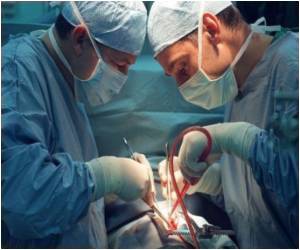
Surgical confusions occur infrequently in eye surgery procedures, according to a report. For instance, operations involving the wrong site
Surgical confusions occur infrequently in eye surgery procedures, according to a report. For instance, operations involving the wrong site
In the database of 27,370 clinician-reported adverse events occurring between January 2002 and June 2008, 25 wrong-patient and 107 wrong-site procedures were identified. Five wrong-patient procedures (20 percent) and 38 wrong-site procedures (35.5 percent) resulted in significant harm to patients. One patient (0.9 percent) died after a wrong-site procedure.
The researchers assessed patient narratives associated with each event and determined the root cause. For wrong-patient procedures, errors in diagnosis contributed to 56 percent of cases and errors in communication to 100 percent. Eighty-five percent of wrong-site procedures were related to errors in judgment and 72 percent to a lack of performing a "time-out."

Certification of UK Doctors Would Improve Quality of Care
England’s chief medical officer recently recommended certification of doctors to strengthen professional regulation.
England’s chief medical officer recently recommended certification of doctors to strengthen professional regulation.
"The findings from the present study emphasize a continuing and concerning occurrence of wrong-site and wrong-patient procedures in the current era of the Universal Protocol, leading to frequent patient harm and rarely, patient death," the authors write. "Shockingly, non-surgical disciplines equally contribute to patient injuries related to wrong-site procedures."
Advertisement

One in 10 Patients Suffer Adverse Effects in European Hospitals
One in 10 patients are suffering extra adverse effects while being treated in European hospitals, the EU's health commissioner said Monday, urging member states to take steps to improve the situation.
One in 10 patients are suffering extra adverse effects while being treated in European hospitals, the EU's health commissioner said Monday, urging member states to take steps to improve the situation.
Advertisement