Transplanted Embryonic Neurons may Rectify Metabolic Defects in Mice

by Kathy Jones on  November 26, 2011 at 2:47 PM Research News
  •   Print
  •   Share
  •   Comments
  •  Text 
 Transplanted Embryonic Neurons may Rectify Metabolic Defects in Mice
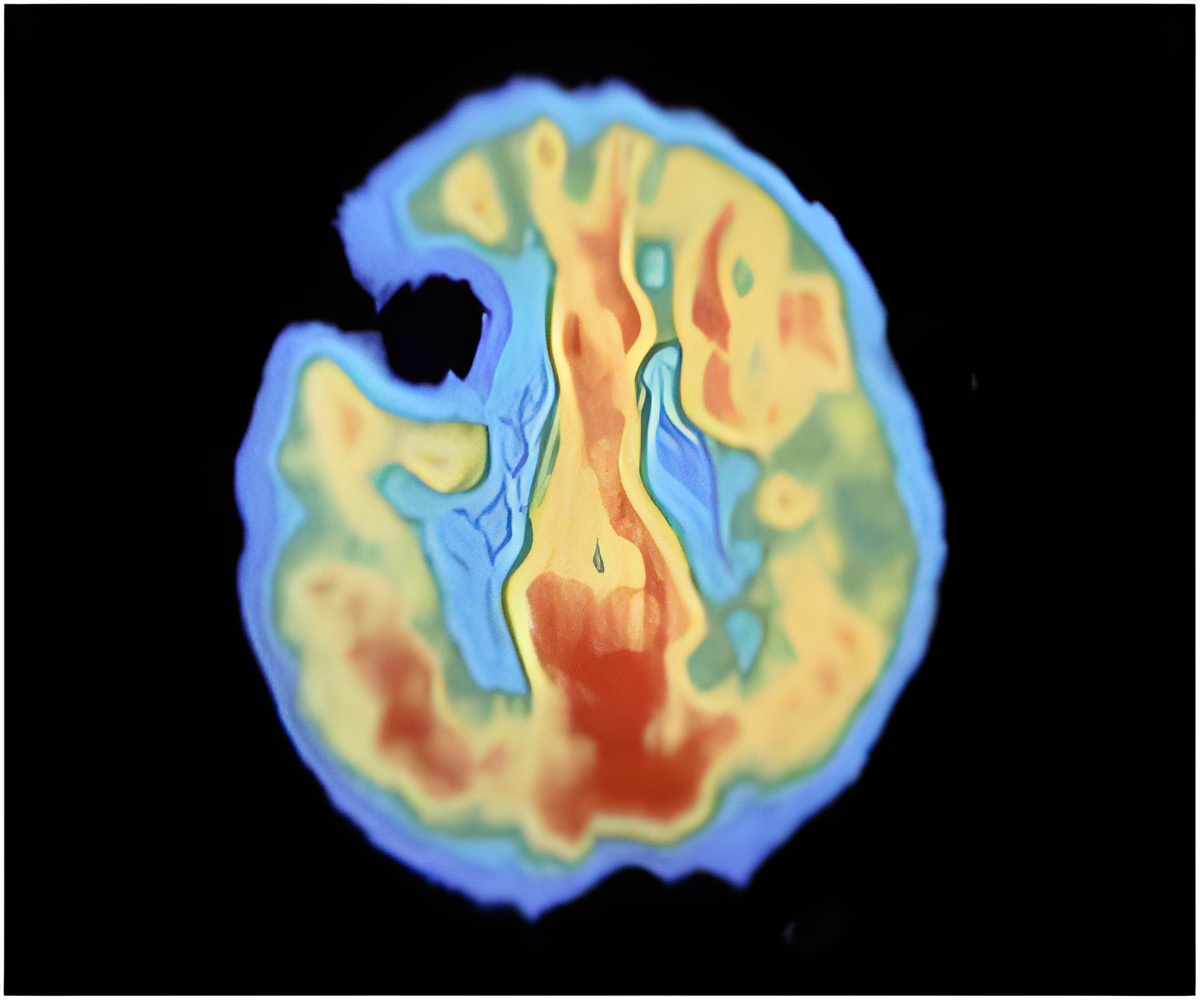
Immature neurons from healthy mouse embryos can repair damaged brain circuitry and partially normalize metabolism when transplanted into adult mice, a new study has said. This experiment was conducted in mice that had grown morbidly obese due to a genetic deficiency.

This proof-of-principle discovery represents one step down a long road toward neuronal replacement therapy, which researchers hope might one day be used to repair brains that have been injured by trauma or disease.

Artur Czupryn and colleagues took the immature neurons from the hypothalamus of wild-type mouse embryos and transplanted them into the hypothalamus of adult mice lacking a receptor for the hormone, leptin, which is known to regulate body weight. The researchers observed that the donor neurons were able to differentiate into four distinct neuronal types that then formed functional connections in the brains of the obese mice.

Their study appears in the 25 November 2011 issue of the journal Science, which is published by AAAS, the nonprofit science society.

"We chose this problem not because, even for a moment, we would pursue the idea of neuron transplantation for the treatment of obesity," explained Jeffrey Macklis from Harvard University, a corresponding author of the report. "What we did was take this very complicated circuitry in the hypothalamus that has a very clear, measurable outcome—not only obesity in the mice, but changes in their serum glucose (like diabetic human beings have), changes in their insulin levels and changes in their fat vs. lean body weights—and we used that complex circuitry as a test case for whether precisely selected and controlled neuron transplants could really rewire the brain."

The transplanted neurons did apparently restore leptin signaling in the brains of the obese mice because the rodents slimmed down and their metabolism began returning to normal levels, according to Czupryn and his colleagues.

"What we found is that these neurons not only turned into the right kinds of cells, but that they sent signals to the recipients' brain and received signals from the recipients' brain," said Macklis.

Although the researchers say that neuronal replacement is certainly not a practical approach to treating obesity, their study nonetheless provides evidence that the transplantation of donor neurons at the appropriate stage of development can promote functional recovery of a brain region that controls a complex phenotype.


Source-Eurekalert

 Email Email   RSS Feeds RSS Feeds   Print this page Print   Save this page Save   Link Link   Syndicate Syndicate   Comments Comments   Bookmark and Share
 
Comment & Contribute
Comments should be on the topic and should not be abusive. Comments are normally moderated and are reviewed after they are posted.
* Your comment can be maximum of 2500 characters

Notify me when reply is posted
I agree to the terms and conditions
  
If you have a question about health related issues, you can now post it in our Ask An Expert section on our community website Medwonders.com and get answers from our panel of experts.
X
  • Health News Index
A B C D E F G H I J K L M N O P Q R S T U V W X Y Z
News Archive
Date :
Category :
Keyword :
  • News Quick Links
News Central Health Watch
Latest Health News Health In Focus
News Category (500+) Breaking Health News
Popular News Celebrating Life
Health News and Press Release Medindia - Exclusive
News Photo Gallery India Special
News Video Gallery Lifestyle and Wellness
News From Other Resources
Metabolic Defects
Complete Medindia Resources
News Categories:  
Teen's Health Center

Research Related News

» Overgrowth of Bacteria in Gut Blamed For Irritable Bowel Syndrome » New Drug That Only Attacks Cancer Cells Developed
» Personality Traits Linked To Longevity in Centenarians » Lack of Vitamin D in Diet Raises Stroke Risk in Japanese-Americans
» Why Bovine TB Continues to Spread Demystified in New Research » Seaweed Pill May Help Treat Arthritis
» P. Aeruginosa Infection Leads to Worse Outcomes and Increased Hospitalizations in COPD Patients » Hormone Boosts Production of Molecules Which Fight Skin Infection
Read More >>