A safe living article published in an infectious diseases supplement in the American Journal of Transplantation says that keeping pets healthy can reduce infection risks for people who have received solid organ transplants and veterinarians should be seen as an integral part of the healthcare team.
The supplement - the second issue of guidelines authored by members of the American Society of Transplantation's Infectious Diseases Community of Practice - provides advice on the infection-related challenges facing clinicians caring for people who have received solid organ transplants. These include respiratory viral infections – a vital issue during the current pandemic – guidance on vaccinations and advice on how to handle patients with conditions such as HIV, herpes, Candida and viral hepatitis.
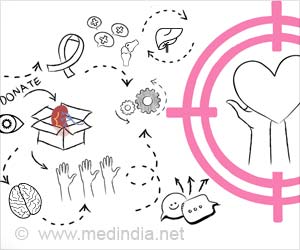
About Transplantation
Since the early times, the novel idea of transplanting tissues and other body parts from one organism to the other has captured the imagination of successive generations.
Since the early times, the novel idea of transplanting tissues and other body parts from one organism to the other has captured the imagination of successive generations.
"Our paper aims to highlight the infection risks that transplant recipients experience in their daily lives. These include pet ownership, food safety, safe sex, sporting activities and work-related issues."
Avoiding infection should be an important part of everyday life. For example, transplant recipients should be advised to:

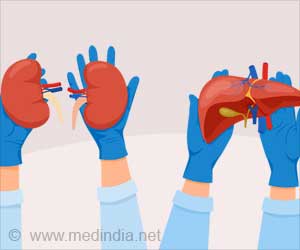
Liver Transplantation - Facts, Contraindications, Procedure, Follow up, Complications & Prognosis
Liver transplantation is a surgical option for the treatment of liver failure where the diseased liver is replaced with a healthy one.
Liver transplantation is a surgical option for the treatment of liver failure where the diseased liver is replaced with a healthy one.
- Wash hands frequently and thoroughly to prevent infections transmitted by direct contact, such as food, pets and gardening, even if gloves are used. Patients should avoid changing baby's diapers if possible.
- Reduce the risk of respiratory infections by avoiding crowded places like shopping malls when their immune system is suppressed. Avoid smoking and exposure to tobacco smoke, which can raise the risk of bacterial and viral infections, and marijuana use, because of its association with fungal spores. Advertisement

- Prevent waterborne infections by only drinking water from safe sources and avoid inadvertent water ingestion during activities such as swimming, diving, boating, using a hot tub or going on water rides at amusement parks.
- Steer clear of foodstuffs like unpasteurised cheese, salad dressings made with uncooked eggs, raw seed sprouts, cold cuts and smoked seafood. Advertisement
 Bone Marrow Transplantation
Animation and slides providing graphic explanation of Bone Marrow Transplantation (BMT)/Stem Cell Transplantation that is done for leukemia and other blood-related disorders. - Balance the psychological benefits of pet ownership with the potential infection risk. A variety of infections can be transmitted to humans from animals like young cats, reptiles, rodents, chicks and ducklings. Animal feces are also dangerous, so cleaning out cages and litter boxes should be avoided or disposable gloves and face masks worn. Ideally the transplant recipient should wait at least a year before getting a new pet.
- Practice safe sex by using latex condoms with casual partners.
- Discuss any travel plans with clinicians to identify particular risks like Malaria and carry antibiotics to take if they develop diarrhea. Patients should be aware that vaccinations may be ineffective and advised to take out emergency evacuation insurance. Advice on food safety should also be provided.
- Consider work-related issues, especially if the patient is in healthcare, works with animals, in construction or outdoors. A temporary career change may not be possible for psychological, financial and social reasons and making the work environment safer is often the best approach.
- Return to safe sports, such as athletics, but discuss any that might pose an enhanced infection risk, like hunting, fishing or scuba diving.
- Take precautions to avoid West Nile Virus, which can cause severe disease in transplant recipients, by avoiding going out during peak mosquito feeding periods and using insect repellents that contain DEET.


"Transplant recipients are living longer and more and more are returning to active lives, including work and recreation" says Dr Avery, who co-authored the paper with Professor Marian G Michaels from the University of Pittsburgh School of Medicine. "With careful thought and detailed patient education, many potential infection risks can be prevented.
"Occupational counselling can enable transplant recipients to find safer ways to do the jobs that they love and knowing the risks posed by food, animals and environmental factors can help them stay out of hospital and lead healthy, meaningful and long lives."
"Infectious diseases pose a real challenge for both patients receiving solid organ transplants and their clinicians" adds the journal's Editor-in-Chief Philip F Halloran, Professor of Medicine at the University of Alberta, Canada. "That is why the American Journal of Transplantation has brought together pre-eminent experts to provide advice on a wide range of clinical and environmental risk factors."
Source-Eurekalert
RAS