
Hib Vaccine - Types, Dosage Schedule, Contraindications and Side Effects
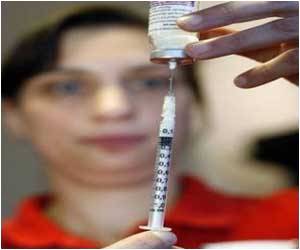
The Hib vaccine protects children against infections like meningitis and pneumonia that are caused by the Haemophilus influenzae type b bacterium.
The Hib vaccine protects children against infections like meningitis and pneumonia that are caused by the Haemophilus influenzae type b bacterium.
In September 2006, a vaccine known as PCV7 was introduced into the childhood primary immunisation programme across the UK, to protect against seven different strains of Streptococcus pneumoniae bacteria.
Today's study, led by researchers from Imperial College London, shows that in the first two years following the introduction of this vaccine, hospital admissions for bacterial pneumonia decreased by 19 per cent amongst children aged under 15 years. Admissions for empyema, a rare and serious complication of bacterial pneumonia, decreased by 22 per cent.
About Cholera
Cholera is an infection of the small intestine and is caused by the bacterium Vibrio cholerae.
Cholera is an infection of the small intestine and is caused by the bacterium Vibrio cholerae.
The study showed that the number of older children admitted with bacterial pneumonia decreased, as well as the number of younger children, following introduction of the vaccine. This result suggests that vaccinating young children against bacterial pneumonia also provides protection for older, non-vaccinated children, providing 'herd immunity' by slowing the spread of disease.
Advertisement
Hepatitis B-Causes-Symptoms-Diagnosis-Treatment-Vaccination-FAQs
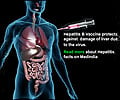
Hepatitis B is inflammation of the liver due to infection with the hepatitis B virus.
Hepatitis B is inflammation of the liver due to infection with the hepatitis B virus.
The study has been published in the journal Thorax.
Advertisement