Study Says Controlling Cell Death Prevents Skin Inflammation

by Sheela Philomena on  October 17, 2011 at 10:52 AM Research News
  •   Print
  •   Share
  •   Comments
  •  Text 
Halting a type of regulated cell death called "necroptosis" in keratinocytes is vital for the prevention of skin inflammation, reveals study in the October issue of the journal Immunity.

The Fas Associated Death Domain (FADD) protein interacts with "death receptors" to activate a well-known programmed cell death pathway called apoptosis. Death receptors have also been shown to induce necroptosis, which is a different type of cell death and is mediated by the proteins RIP1 and RIP3. "Previous studies have suggested that prevention of RIP-mediated necroptosis is essential for embryonic development," says senior study author, Dr. Manolis Pasparakis, from the University of Cologne. "However, the physiological significance of the mechanisms regulating necroptosis for normal tissue function and disease pathogenesis remains unclear."

Dr. Pasparakis and colleagues discovered that mice with epidermis-specific ablation of FADD showed spontaneous necroptosis of keratinocytes and developed severe inflammatory skin lesions within a few days of birth. Further, RIP3-dependent necrotic death of FADD-deficient keratinocytes was identified as the initiating event triggering skin inflammation. "In contrast to the well-established role as a mediator of apoptosis, we discovered that FADD performs an essential pro-survival function in keratinocytes that is crucial for the maintenance of a balanced skin immune response and the prevention of skin inflammation," reports Dr. Pasparakis.

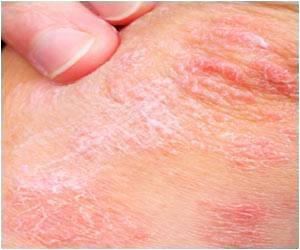
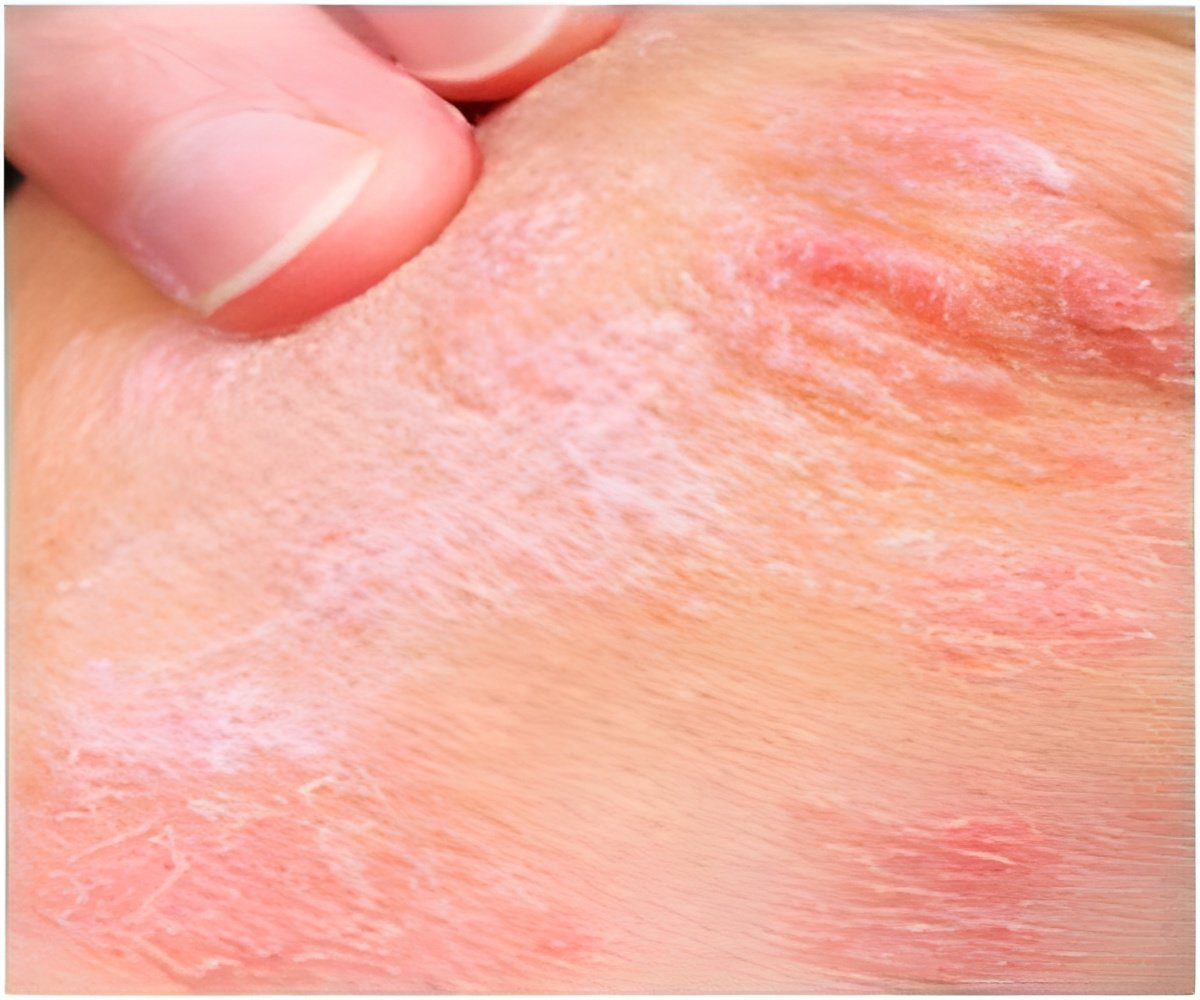
Taken together, the findings reveal a previously unrecognized physiological role for FADD in preventing necroptosis of epidermal keratinocytes and identify sensitization of keratinocytes to RIP3-mediated cell death as a potent mechanism triggering skin inflammation. Further, these results suggest that genetic or external factors sensitizing keratinocytes necroptosis could be implicated in the pathogenesis of skin inflammation, a feature of many chronic or acute skin conditions such as eczema, psoriasis, and drug rashes. "Our findings provide a first experimental paradigm that regulation of necroptosis is important for the maintenance of immune homeostasis and the prevention of inflammation in the skin," concludes Dr Pasparakis.

Source-Eurekalert

 Email Email   RSS Feeds RSS Feeds   Print this page Print   Save this page Save   Link Link   Syndicate Syndicate   Comments Comments   Bookmark and Share
 
Comment & Contribute
Comments should be on the topic and should not be abusive. Comments are normally moderated and are reviewed after they are posted.
* Your comment can be maximum of 2500 characters

Notify me when reply is posted
I agree to the terms and conditions
  
If you have a question about health related issues, you can now post it in our Ask An Expert section on our community website Medwonders.com and get answers from our panel of experts.
X

Medwonders Health Network

  • Health News Index
A B C D E F G H I J K L M N O P Q R S T U V W X Y Z
News Archive
Date :
Category :
Keyword :
Quiz on Skin
How much do you know about the human skin? Please take this quiz and find out.
  • News Quick Links
News Central Health Watch
Latest Health News Health In Focus
News Category (500+) Breaking Health News
Popular News Celebrating Life
Health News and Press Release Medindia - Exclusive
News Photo Gallery India Special
News Video Gallery Lifestyle and Wellness
News From Other Resources
News Categories:  
Kidney Health Center

Research Related News

» Overgrowth of Bacteria in Gut Blamed For Irritable Bowel Syndrome » New Drug That Only Attacks Cancer Cells Developed
» Personality Traits Linked To Longevity in Centenarians » Lack of Vitamin D in Diet Raises Stroke Risk in Japanese-Americans
» Why Bovine TB Continues to Spread Demystified in New Research » Seaweed Pill May Help Treat Arthritis
» P. Aeruginosa Infection Leads to Worse Outcomes and Increased Hospitalizations in COPD Patients » Hormone Boosts Production of Molecules Which Fight Skin Infection
Read More >>