
Diabetes Risk Assessment Calculator
Almost one-third of the people are unaware of the risk factors of diabetes. Find out if you run the risk of diabetes by using Diabetes Risk Assessment calculator.
Almost one-third of the people are unaware of the risk factors of diabetes. Find out if you run the risk of diabetes by using Diabetes Risk Assessment calculator.
Bruce Buchholz of the Lawrence Livermore National Laboratory scientist and collaborators from the National Institutes of Health used two methods to examine adult human beta cell turnover and longevity.
Using LLNL's Center for Accelerator Mass Spectrometry, Buchholz measured the amount of carbon 14 in DNA in beta cells and discovered that after age 30, the body does not create any new beta cells, thus decreasing the capacity to produce insulin as a person ages.
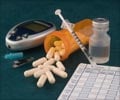
Top Ten Facts About Diabetes
Diabetes or diabetes mellitus, is an endocrine and metabolic disorder characterized by high blood sugar levels (hyperglycemia) over a prolonged period of time.
Diabetes or diabetes mellitus, is an endocrine and metabolic disorder characterized by high blood sugar levels (hyperglycemia) over a prolonged period of time.
"We found that beta cells turnover up to about age 30, and there they remain throughout life. The findings have implications for both type 1 and type 2 diabetes," said Buchholz.
Advertisement

Insulin Delivery Devices
Insulin delivery devices have evolved drastically since their invention in 1922. They are all aimed to provide insulin to the patients with minimal discomfort.
Insulin delivery devices have evolved drastically since their invention in 1922. They are all aimed to provide insulin to the patients with minimal discomfort.
However, in Type 2 diabetes (often called adult onset diabetes) is common in older people whose ability to secrete sufficient insulin to regulate blood sugar deteriorates as they age and is often due to increased demand in obese people.
Advertisement
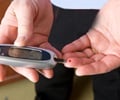
What is Self-Monitoring of Blood Glucose
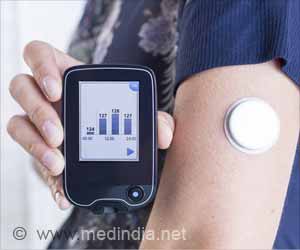
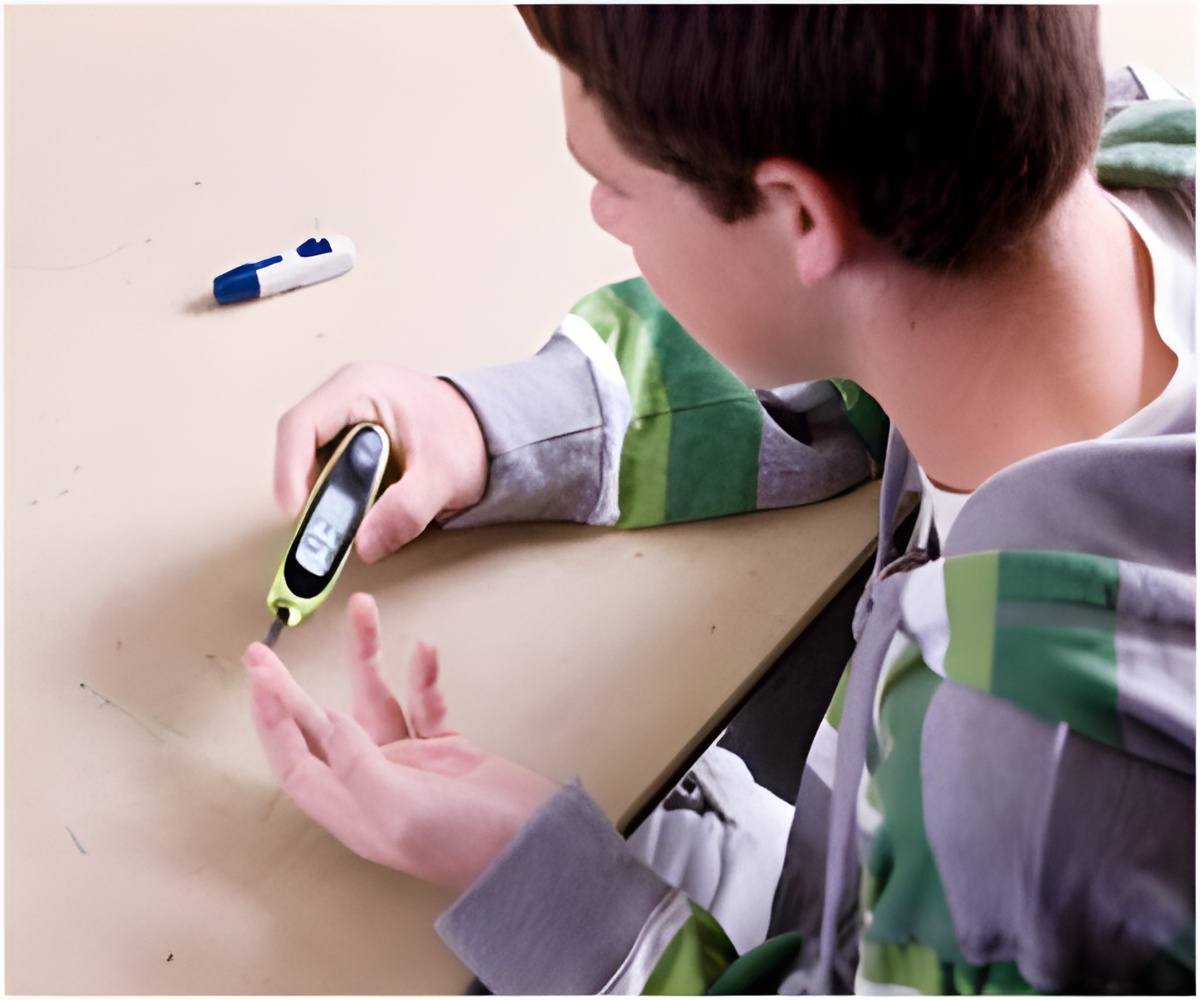
Self-Monitoring Of Blood Glucose (SMBG) is one of the greatest advancements in the management of Diabetes.
Self-Monitoring Of Blood Glucose (SMBG) is one of the greatest advancements in the management of Diabetes.
Buchholz said there is active research in stem cell therapies to replace lost beta cells for both types of diabetes.
"But with these new findings, it isn't clear how easy it will be to get the body to make more beta cells in adulthood, when it is not a natural process," he said.
The findings appeared in the Journal of Clinical Endocrinology and Metabolism.
Source-ANI