Oral Cancer | Mouth Cancer - Types, Causes, Symptoms, Diagnosis, Treatment & Prevention
Oral cancer is a cancer that develops in any part of the mouth. It is more common in men over 40.
Oral cancer is a cancer that develops in any part of the mouth. It is more common in men over 40.
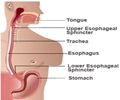
Gastric tubes insertion and swallowing exercises could be prescribed and prevent malnutrition and weight loss. "This study will be very helpful to improve the quality of life of patients," noted Dr Mortensen. "Indeed, these measures at an early stage of the treatment will considerably reduce swallowing disorders".
But the results will also lead to a better treatment. "Dysphagia is a limiting factor for further intensification of head and neck radiotherapy. This is why the knowledge provided here may help us to better tailor treatments for the patients: it may allow us to increase the intensity of the treatment while maintaining their quality of life," concluded Dr Mortensen.

About Cancer in Women
Cancer is one of the frequently talked about and most feared disease that falls under the genre of lifestyle diseases that have evolved, rather rapidly, in the past two decades.
Cancer is one of the frequently talked about and most feared disease that falls under the genre of lifestyle diseases that have evolved, rather rapidly, in the past two decades.
Source-Eurekalert
Pancreatic Cancer - All About the Disease, its Diagnosis and Management
Pancreatic cancer often involves its exocrine part. It grows aggressively, and often detected late. Treatment options include surgery, radiation and chemotherapy.
Pancreatic cancer often involves its exocrine part. It grows aggressively, and often detected late. Treatment options include surgery, radiation and chemotherapy.

About Pre Cancerous Lesions
Encyclopedia section of medindia gives general information about Pre Cancerous Lesions
Encyclopedia section of medindia gives general information about Pre Cancerous Lesions