National Jewish Health researchers have come up with a simple blood test that can measure cystic fibrosis patients' response to therapy more accurately and quickly than current tests.
Writing about the new blood test in the American Journal of Respiratory and Critical Care Medicine, the researchers describe it as a measure of inflammatory gene expression.
Birth Defects - Genetic - Cystic Fibrosis
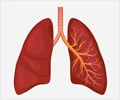
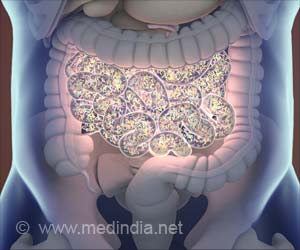
Cystic fibrosis is a progressively debilitating genetic disorder, which mainly affects the lungs and the digestive system
Cystic fibrosis is a progressively debilitating genetic disorder, which mainly affects the lungs and the digestive system
"The currently accepted test, a measure of a patients' ability to exhale air, has several limitations that make it ineffective for some patients and not sensitive enough for clinical trials of many new medications," said Dr. Milene Saavedra, lead author of the study and Assistant Professor of Medicine at National Jewish Health.
"By measuring the activity of genes associated with the immune/inflammatory response, we can get a more accurate picture of the biological processes occurring inside the lungs," the researcher added.
Currently, response to medication is measured by how much air a person can rapidly exhale: forced expiratory volume in one second (FEV1).
Patients' FEV1 generally improves when inflammation is reduced, but not all patients' FEV1 improves significantly, and changes can take weeks to months to show up.
Advertisement

Glow in the Dark Cat to Treat Cystic Fibrosis Created
Scientists in New Orleans have created a cat that may look like a normal tabby in light but glows in the dark.
Scientists in New Orleans have created a cat that may look like a normal tabby in light but glows in the dark.
While CD36 and CD64 are genes associated with cells' absorption of foreign organisms and cellular debris, according to them, ADAM9 is associated with tissue destruction that allows inflammatory cells to move through tissue.
Advertisement

Hope for Cystic Fibrosis Cure in Near Future
Researchers from the University of Calgary have suggested a new approach that may help in treating severe lung infections in people with cystic fibrosis (CF).
Researchers from the University of Calgary have suggested a new approach that may help in treating severe lung infections in people with cystic fibrosis (CF).
"When combined with FEV1, they offered a more accurate and sensitive measure of response to therapy than either alone. We believe they could be extremely useful in clinical care of patients and trials of new CF therapies," Dr. Nick added.
The researchers are now conducting a trial of 60 CF patients to provide stronger statistical evidence for the power of CD36, CD64 and ADAM9 to diagnose a positive response to therapy by CF patients.
Source-ANI
SRM