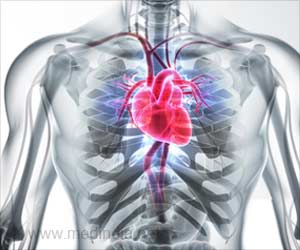
A new vascular imaging study from Johns Hopkins experts shows that the routine prescription of extended-release niacin, a B vitamin in combination with traditional cholesterol-lowering therapy offers no extra benefit in correcting arterial narrowing and diminishing plaque buildup in seniors who already have coronary artery disease.
In tests on 145 Baltimore-area men and women with existing atherosclerosis, all over age 65, researchers found that after 18 months of drug therapy, reductions in arterial wall thickness were measurably no different between the half who took dual niacin-statin therapy and the rest who remained on statin therapy alone.
Vitamin Supplements-Vitamin C-Vitamin B6-Vitamin B9 - Vitamin B12
Easy to understand info & tips with diagrams about vitamin supplements like vitamin C, B6, B9 & B12. Latest research news on each vitamin's benefits and drawbacks for better consumer understanding.
Easy to understand info & tips with diagrams about vitamin supplements like vitamin C, B6, B9 & B12. Latest research news on each vitamin's benefits and drawbacks for better consumer understanding.
The team will present its findings Nov. 18 at the American Heart Association's (AHA) annual Scientific Sessions in Orlando.
According to senior study investigator and Johns Hopkins cardiologist João Lima, M.D., the lack of any discernible advantage occurred despite promising gains in bad (LDL) and good (HDL) blood cholesterol levels in those taking vitamin B niacin. Results showed that in the group taking both niacin and a statin, blood levels of LDL-cholesterol fell 5 percent more than in the group taking only statin medications. And levels of HDL jumped 14 percent more than in the statin-only group.
About Vitamin B9
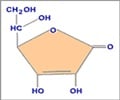
Vital info about vitamin B9, its molecular structure, dietary sources, beneficial aspects, symptoms of deficiency and toxicity, supplementation tips and related research news are discussed in detail
Vital info about vitamin B9, its molecular structure, dietary sources, beneficial aspects, symptoms of deficiency and toxicity, supplementation tips and related research news are discussed in detail
"Our recommendation to physicians is that current national treatment guidelines, which recommend mainly statin therapy tailored to the severity of atherosclerosis for preventing arteries from reclogging and narrowing, appear to be sufficient and accurate for physicians and patients to follow," says Lima.
Advertisement
About Vitamin B-6
Vitamins play an equally important part in the synthesis of neurotransmitters. Neurotransmitters in the brain also help maintain good mood while keeping one's mental faculties sharp
Vitamins play an equally important part in the synthesis of neurotransmitters. Neurotransmitters in the brain also help maintain good mood while keeping one's mental faculties sharp
"The real value in initially studying this particular group of people is that these seniors are the ones who I am most likely to see in the hospital, the group most vulnerable to coronary artery disease and most at risk of suffering an arterial blockage, heart attack, or stroke," says lead study investigator Christopher Sibley, M.D. Nearly 17 million American adults are estimated to have some form of coronary artery disease, resulting in more than 400,000 deaths each year.
Advertisement

About Vitamin B-12
Vitamin B-12 is also known as cobalamine or cyanocobalamine, owing to the presence of the metal, cobalt. Cyanocobalamine is used in most supplements because it is readily converted to active forms of vitamin B-12 in the body.
Vitamin B-12 is also known as cobalamine or cyanocobalamine, owing to the presence of the metal, cobalt. Cyanocobalamine is used in most supplements because it is readily converted to active forms of vitamin B-12 in the body.
All study participants had one or more preexisting cardiovascular health issues, such as a previous heart attack, stroke, coronary artery bypass grafting to resupply blood to the heart, severe chest pain, or angioplasty with the placement of wire stents to keep arteries open.
At the start of the study, participants received an MRI scan of their carotid artery, and again every six months thereafter. The four sets of carotid images provided what Sibley says is "an important window" into what is going on in the body's network of veins and arteries. He notes that the neck artery is important not just because it serves as the main blood supply to the brain, but also because narrowing in the carotid artery reflects the risk of future heart attack.
Sibley says that the team has begun to analyze blood samples collected as part of the study, searching for chemicals that might also signal a change in arterial plaque buildup and progressive arterial narrowing.
Source-Eurekalert
RAS