
Back Pain – Symptoms, Causes, Diagnosis, Treatment & Prevention
Back pain or Backache is common due to poor posture, postural deformities and life style. Back pain can be classified anatomically as upper, lower and middle back pain.
Back pain or Backache is common due to poor posture, postural deformities and life style. Back pain can be classified anatomically as upper, lower and middle back pain.
Recently, using a mouse model of chronic pain, Ariel Darvasi of the Hebrew University of Jerusalem and colleagues identified a region of mouse chromosome 15 that likely contained a genetic variant or variants contributing to pain. However, this region contains many genes and the responsible variant remained unknown.
Darvasi and an international team of researchers have now undertaken two fine-mapping approaches to narrow down the locus to an interval of 155 genes. Then, by applying bioinformatics approaches and whole genome microarray analysis, they were able to confidently identify a single gene, Cacgn2, as the likely candidate.

Pain Treatment Could be Revolutionized by Sea Snail Saliva
The most potent treatment for severe pain - as potent as morphine - has been developed by scientists.
The most potent treatment for severe pain - as potent as morphine - has been developed by scientists.
To further test the potential role for Cacgn2 in chronic pain, the authors utilized a mouse strain harboring a mutant version of the gene that had previously been used in epilepsy research.
Advertisement
Arthritis-related Back Pain Management is Questioned
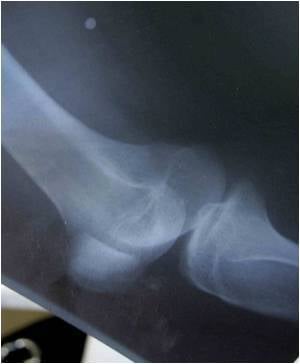
Slavishly following long-held guidelines for diagnosing the cause of arthritis-related back pain is resulting in excessive tests, delays in pain relief
Slavishly following long-held guidelines for diagnosing the cause of arthritis-related back pain is resulting in excessive tests, delays in pain relief
However, the question still remained as to whether the human version of the gene, CACGN2, also is important for chronic pain. Analyzing a cohort of breast cancer patients that had undergone removal or partial removal of a breast, they found known genetic polymorphisms in CACNG2 were significantly associated with chronic pain experienced after surgery.
Advertisement

How Does Pain Happen?
Between elevated intrinsic (resting-state) brain connectivity and spontaneous pain intensity in patients with fibromyalgia (FM)there is a link, and evidence for this has been produced in a new study.
Between elevated intrinsic (resting-state) brain connectivity and spontaneous pain intensity in patients with fibromyalgia (FM)there is a link, and evidence for this has been produced in a new study.
"The immediate significance is the mere awareness that differences in pain perception may have a genetic predisposition. Our discovery may provide insights for treating chronic pain through previously unthought-of mechanisms," Darvasi explained
The study has been published online in Genome Research.
Source-ANI