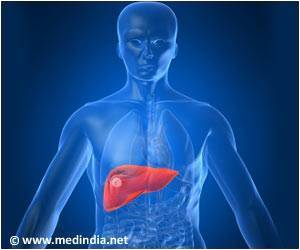
A drug that blocks the production of the RSK protein reverses severe liver damage. Special attraction in that is that it could be used to treat disease in heavy drinkers who find it impossible to give up alcohol.
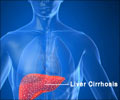
Cirrhosis is a major problem faced by drinkers and high blood pressure, liver cancer, malnutrition and liver failure.Most hospitals will not perform liver transplants on heavy drinkers who show no intention of cutting down their alcohol intake.
The new RSK-blocking drug could have a profound impact on public health if it is proven to work in wider clinical trials, says Ian Sample, writing in the Guardian.
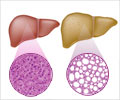
The liver is usually one of the body's most resilient organs and is the only one capable of regenerating after damage or injury. But excessive alcohol intake, hepatitis and damage from burns triggers the growth of fibrous scar tissue inside the liver which spreads and eventually destroys its ability to carry out crucial tasks such as combating infection and breaking down toxins.
Researchers led by Dr Martina Buck at the University of California, San Diego School of Medicine, found that damage to the liver caused a specific group of cells known as hepatic stellate cells to go into overdrive and churn out large amounts of collagen, a tough connective tissue. At normal levels collagen helps to heal wounds, but too much causes excessive scarring. The scientists then found that the cells only overproduced collagen in response to a chemical signal carried by a protein in the body called RSK. This signal, they realised, was critical to the progression of liver disease.
The scientists reasoned that if they could block the RSK signal they might be able to halt liver disease in its tracks.
Advertisement
Further investigation revealed that as well as blocking the formation of scar tissue in the liver, the drug was also killing off the overactive liver cells, allowing the organ to heal. "Remarkably, the death of [overactive] hepatic stellate cells may also allow recovery from liver injury and reversal of liver fibrosis," said Buck. "Our latest finding proves we can actually reverse the damage."
Advertisement
In Britain the rise in binge drinking has led to soaring rates of liver disease since the 1960s, with doctors warning cirrhosis is commonplace among men and women in their 20s and 30s.
Liver disease is the fifth largest killer in Britain, with cirrhosis alone claiming the lives of around 3,000 people each year. Worldwide the disease kills nearly 800,000 annually.
Source-Medindia
GPL/M