
About Cancer in Women
Cancer is one of the frequently talked about and most feared disease that falls under the genre of lifestyle diseases that have evolved, rather rapidly, in the past two decades.
Cancer is one of the frequently talked about and most feared disease that falls under the genre of lifestyle diseases that have evolved, rather rapidly, in the past two decades.
Muscle wasting - called cachexia - is thought to account for about 30 percent of deaths in patients with cancer, but how exactly cachexia is spurred by cancer - or indeed exactly how it leads to a patient's decline - isn't known.
It is thought that several molecular pathways work in tandem, "activating an axis of evil to control muscle mass in a negative way", said H. Q. Han, lead author of the study and scientific director of the metabolic disorders division at Amgen, a biotechnology company in Thousand Oaks, California.

AIDS/HIV Related Cancer - Kaposi's sarcoma Lymphomahoma
AIDS defining malignancies are cancers that occur in patients with AIDS due to their low immunity.
AIDS defining malignancies are cancers that occur in patients with AIDS due to their low immunity.
Several studies have shown that blocking the myostatin pathway can promote muscle growth, said Han, and some have shown that a molecule closely related to myostatin, called activin A, becomes more abundant in patients with some cancers.
Advertisement

Prostate Cancer | Cancer of Prostate - Incidence, Prevention, Causes, Symptoms & Treatment
This cancer affects men over the age of 50 years and screening with rectal examination and PSA can help both in early detection and effective treatment
This cancer affects men over the age of 50 years and screening with rectal examination and PSA can help both in early detection and effective treatment
The researchers created a soluble version of the activin A receptor - which is thought to affect both myostatin and activin A signalling - by fusing a piece of human activin receptor to an antibody.
Advertisement
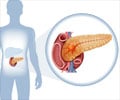
Pancreatic Cancer - All About the Disease, its Diagnosis and Management
Pancreatic cancer often involves its exocrine part. It grows aggressively, and often detected late. Treatment options include surgery, radiation and chemotherapy.
Pancreatic cancer often involves its exocrine part. It grows aggressively, and often detected late. Treatment options include surgery, radiation and chemotherapy.
"There's really an overwhelming amount of data now showing the benefits of targeting this pathway," said Han.
A single injection of the soluble receptor into normal mice boosted their muscle mass by 25 percent or more in a week or two.
When it was given to mice implanted with colon cancer cells, their muscle mass returned to normal, even though their tumours continued to grow.
Strikingly, all of the animals that did not receive the soluble receptor were dead 40 days after cancer cells were implanted, but more than half of the treated animals survived to this point.
The study will be published in the journal Cell.
Source-ANI