
Coronary Artery Bypass Grafting (CABG) | Coronary Artery Bypass Surgery
Coronary artery bypass grafting (CABG) or heart bypass surgery is an open heart surgery to relieve the blockages of the arteries of the heart. Coronary artery bypass surgery lasts up to 3 to 6 hours.
Coronary artery bypass grafting (CABG) or heart bypass surgery is an open heart surgery to relieve the blockages of the arteries of the heart. Coronary artery bypass surgery lasts up to 3 to 6 hours.
Sanjit S. Jolly, M.D., of Hamilton Health Sciences and McMaster University, Hamilton, Ontario, Canada, and colleagues with the Fondaparinux Trial With Unfractionated Heparin During Revascularization in Acute Coronary Syndromes (FUTURA)/OASIS-8 trial evaluated the safety of two dose regimens of adjunctive intravenous unfractionated heparin during PCI in high-risk patients. The randomized trial included 179 hospitals in 18 countries and involved 2,026 patients undergoing PCI within 72 hours, who were from a group of 3,235 high-risk patients with non-ST segment elevation acute coronary syndromes initially treated with fondaparinux, enrolled from February 2009 to March 2010. Patients received intravenously either low-dose unfractionated heparin (50 U/kg, regardless of use of glycoprotein IIb-IIIa [GpIIb-IIIa] inhibitors) or standard-dose unfractionated heparin (85 U/kg [60 U/kg with GpIIb-IIIa inhibitors]), adjusted by activated clotting time (ACT).
The researchers found that the primary composite outcome (major bleeding, minor bleeding, or major vascular access site complications up to 48 hours after PCI) occurred in 4.7 percent of the patients in the low-dose group and 5.8 percent in the standard-dose group. There was a nonsignificant increase in the key secondary outcome (peri-PCI major bleeding [near the time of the PCI procedure], death, heart attack, and target revascularization at 30 days), 5.8 percent in the low-dose group vs. 3.9 percent in the standard-dose group. Peri-PCI minor bleeding was lower in the low-dose group vs. the standard-dose group (0.7 percent vs. 1.7 percent).

Heart Attack - Overview
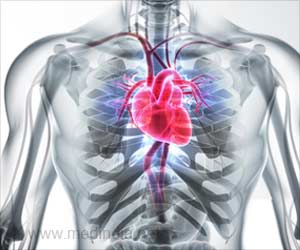
Heart attack is the death of the heart muscle due to loss of blood supply. Heart disease is the leading cause of death in the United States. Other names for heart attack include acute myocardial infarction, coronary thrombosis, and coronary occlusion.
Heart attack is the death of the heart muscle due to loss of blood supply. Heart disease is the leading cause of death in the United States. Other names for heart attack include acute myocardial infarction, coronary thrombosis, and coronary occlusion.
Thrombotic events were not significantly different between the treatment groups, with catheter thrombosis seen in 5 cases (0.5 percent) in the low-dose group and 1 case (0.1 percent) in the standard-dose groups.
Advertisement

Animation on Coronary Artery Bypass Surgery (CABG)
Coronary Artery Bypass Surgery (CABG) is performed to restore the blood supply to areas of heart that have been reduced or has no blood supply due to blockage in the artery.
Coronary Artery Bypass Surgery (CABG) is performed to restore the blood supply to areas of heart that have been reduced or has no blood supply due to blockage in the artery.
"The finding that adding ACT-guided unfractionated heparin to fondaparinux while treating patients with acute coronary syndromes does not increase major bleeding is important in the context of modern PCI practice. Reducing bleeding is potentially important because several studies have suggested that moderate reductions in bleeding may lead to a reduction in longer term ischemic events, particularly mortality. In our study, there was no clinical benefit to using the experimental low-dose regimen, except for a reduction in minor bleeding alone (but not in the combination of major and minor bleeding)," the authors write. "These findings support using the currently recommended standard ACT-guided dose of unfractionated heparin when performing PCI in patients with non-ST segment elevation acute coronary syndromes who are treated with fondaparinux."
Advertisement

Source-Eurekalert