Following a diagnosis of cancer, clinicians have a number of treatment options including coordinating multiple attacks on the tumor using an arsenal of cancer-killing therapies.
Chemotherapy, where toxic drugs are used to specifically kill cancer cells, is a very powerful weapon in this arsenal. It is extremely effective in treating some cancers, such as testicular cancer and Hodgkin's Disease, but works poorly in other cancer types. Although the reasons for these different responses are complex, one of the known limitations for solid tumors is that sometimes killer drugs injected into the bloodstream are not delivered efficiently to the tumor tissue, and even if they do reach their target, are not retained long enough to administer their lethal hit.Professor Lisa Coussens and her coworkers, based at the University of California San Francisco Medical Center, have now discovered a way of enhancing drug delivery to tumors: using the cancer's own architecture to bring about its downfall. Solid tumors need a good blood supply in order to grow, and the blood vessels nourishing the tumors are frequently disorganized and leaky, allowing drugs to leach into the tumor. However, this useful property is counteracted by high tissue pressure within the tumor itself, which creates a barrier for drug uptake. Coussens' team have found a way of tipping the balance in favor of the blood vessels. Using a mouse model of cancer, they show that blocking the action of a signaling molecule called ALK5 makes tumor blood vessels even leakier for a short period of time, and this window of leakiness can be used to "open up" the tumor for more efficient delivery of drugs.
Coussens' discovery has exciting implications. Blocking the ALK5 pathway may not only make chemotherapy far more effective in multiple cancers, but could also aid in efficient delivery of the many other therapies that rely on the bloodstream to carry them into a tumor. Further, ALK5 blockade could assist in diagnosis as well as treatment; the imaging molecules used to light up tumors so that they can be seen by scanners might also be able to get in more easily if ALK5 were inactivated at the time of scanning. Together, these benefits may lead to more accurate diagnosis and a far more hopeful prognosis for sufferers of previously intractable solid cancers.
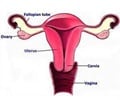
Endometrial Cancer
Cancer of the Endometrium, or the inner lining of the uterus (womb) is called endometrial cancer.
Cancer of the Endometrium, or the inner lining of the uterus (womb) is called endometrial cancer.
RAS
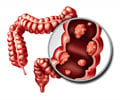
Colorectal Cancer - Types, Causes, Risk Factors, Symptoms, Diagnosis, Treatment, Prognosis & Prevention
Colorectal cancer is a cancer that starts in the colon or the rectum. Colorectal cancer is the third most common cancer in men.
Colorectal cancer is a cancer that starts in the colon or the rectum. Colorectal cancer is the third most common cancer in men.